Remaches
Productos
- View as
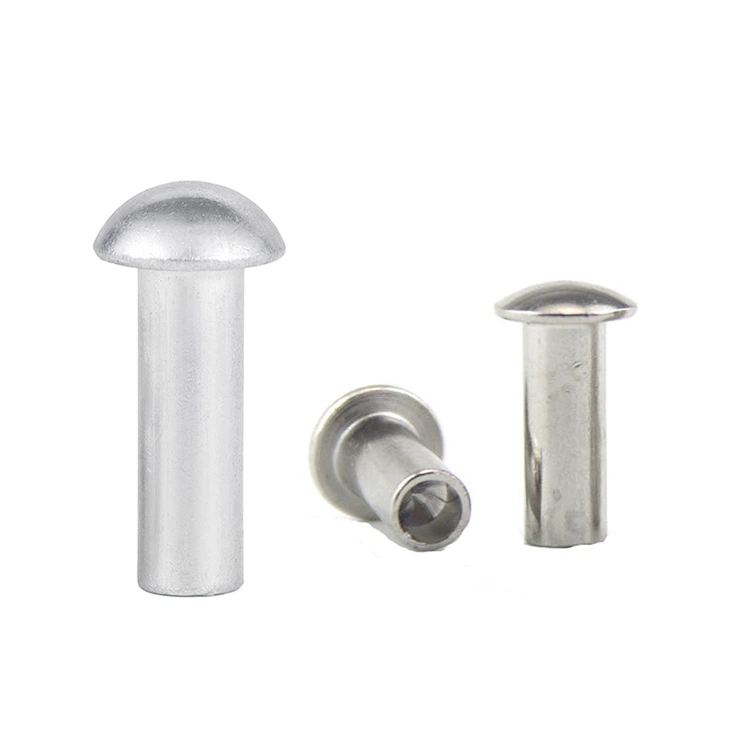
Remaches semihuecos con cabeza de hongo
Los remaches medio huecos con cabeza de hongo reciben su nombre de su distintiva cabeza en forma de cúpula, que se parece un poco a la tapa de un hongo, combinada con un vástago parcialmente hueco. Este diseño permite que el remache se moldee durante la instalación, creando una sujeción fuerte, perfecto para usos en los que se necesita una buena apariencia y un rendimiento sólido. Cuando se coloca, el extremo hueco se ensancha y se agarra firmemente, mientras que la cabeza y la sección superior del vástago permanecen sólidas para brindar soporte adicional.
Leer másEnviar Consulta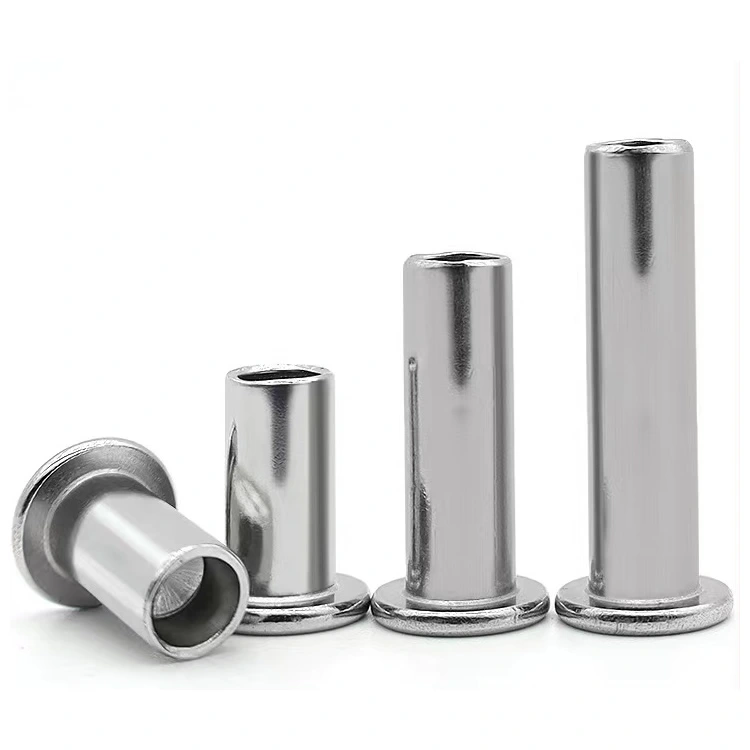
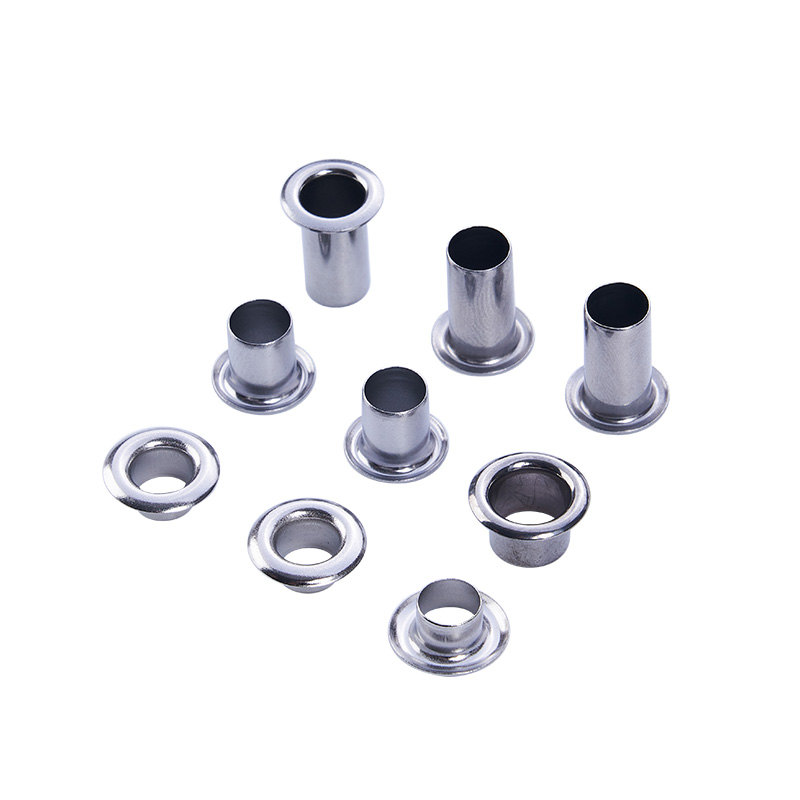
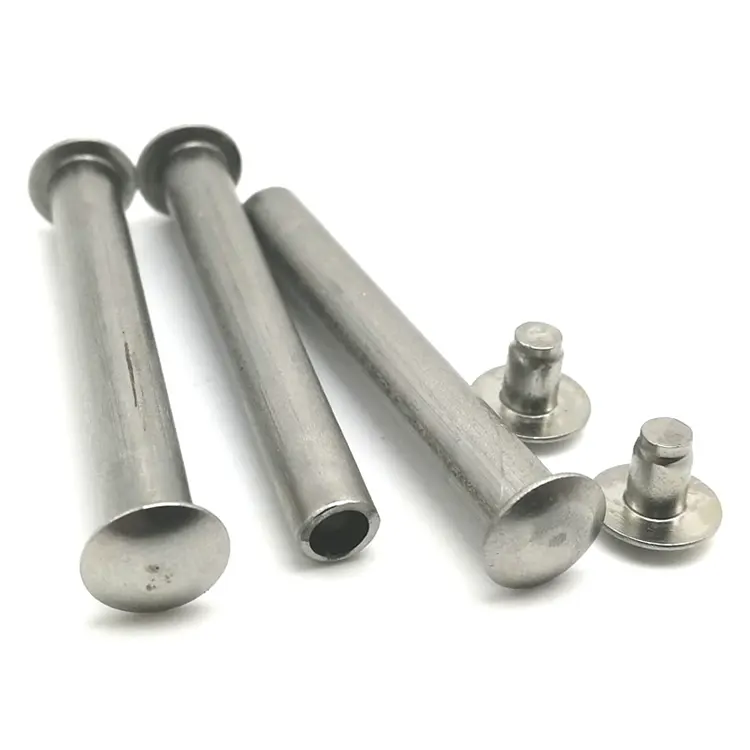
Remaches semitubulares de hierro
Los remaches semitubulares de hierro son conectores mecánicos con una cola hueca. Funcionan apretando la parte hueca y ensanchándola hacia afuera para crear una fijación permanente a presión. Las aplicaciones principales se concentran en industrias ligeras como prendas de vestir, calzado y equipaje. El uso de material de alambre blando evita el agrietamiento durante las uniones de remaches y ofrece ventajas de costos. Nuote Metals es un fabricante profesional de remaches semitubulares de hierro. Nuestros remaches son de alta calidad y cada uno se somete a una inspección minuciosa para garantizar la satisfacción del cliente.
Leer másEnviar Consulta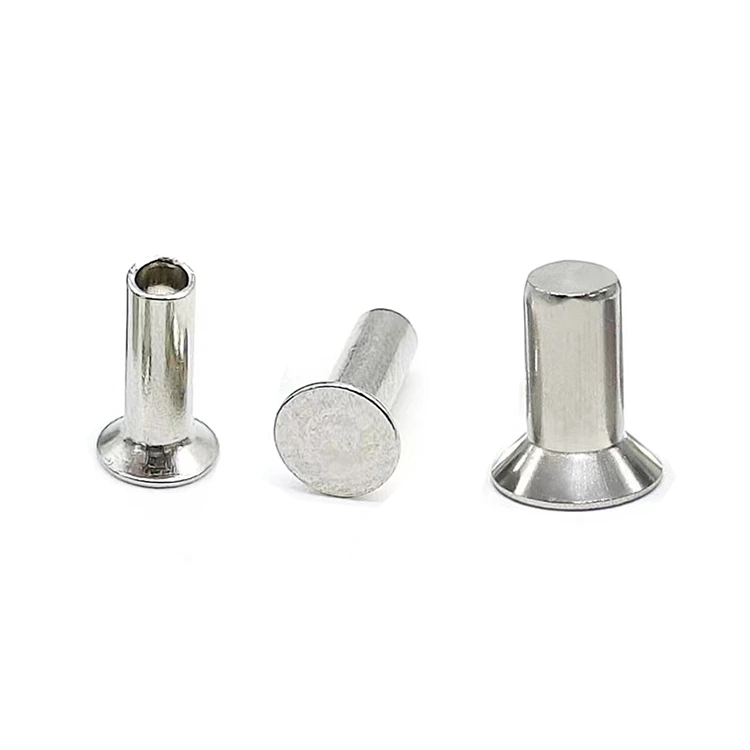
Remaches semi huecos de cabeza avellanada
¿Por qué elegir remaches semihuecos de cabeza avellanada en lugar de otros métodos de conexión? Esto se debe principalmente a sus ventajas únicas. Después de la instalación, el cabezal queda al ras de la superficie, evitando posibles interferencias o riesgos de seguridad causados por protuberancias. El diseño semihueco hace que el proceso de remachado sea relativamente simple y no requiere equipos complejos; Por lo general, se puede completar manualmente o con herramientas neumáticas. Este tipo de remache es adecuado para materiales de distintos espesores y se puede adaptar a diversas situaciones ajustando la fuerza de remachado.
Leer másEnviar Consulta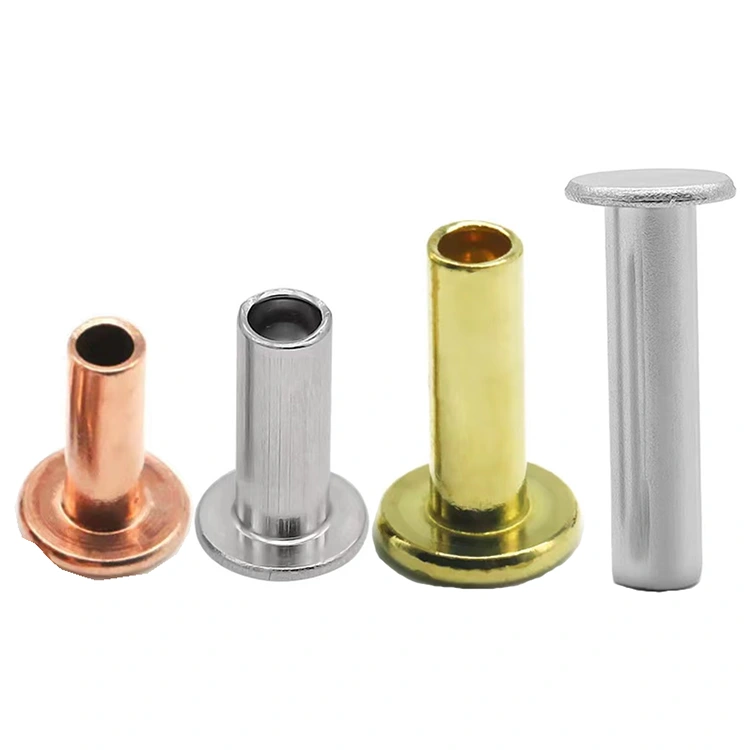
Remaches semihuecos de cabeza plana
El remachado es un método común para unir dos o más componentes en la fabricación industrial y el mantenimiento diario. Los remaches semihuecos de cabeza plana son un tipo de remache que ofrece ventajas únicas de diseño y aplicación. Nuote Metals es un fabricante profesional de remaches semihuecos de cabeza plana. Estamos ubicados en Dongguan, China, y contamos con abundantes recursos de tratamiento de superficies y transporte conveniente, lo que reduce el costo de producción de remaches.
Leer másEnviar Consulta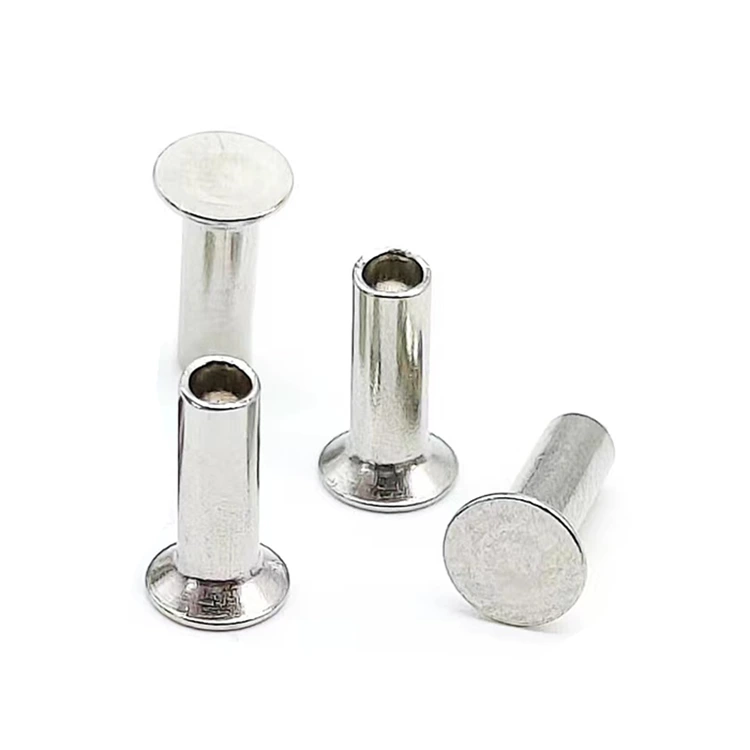
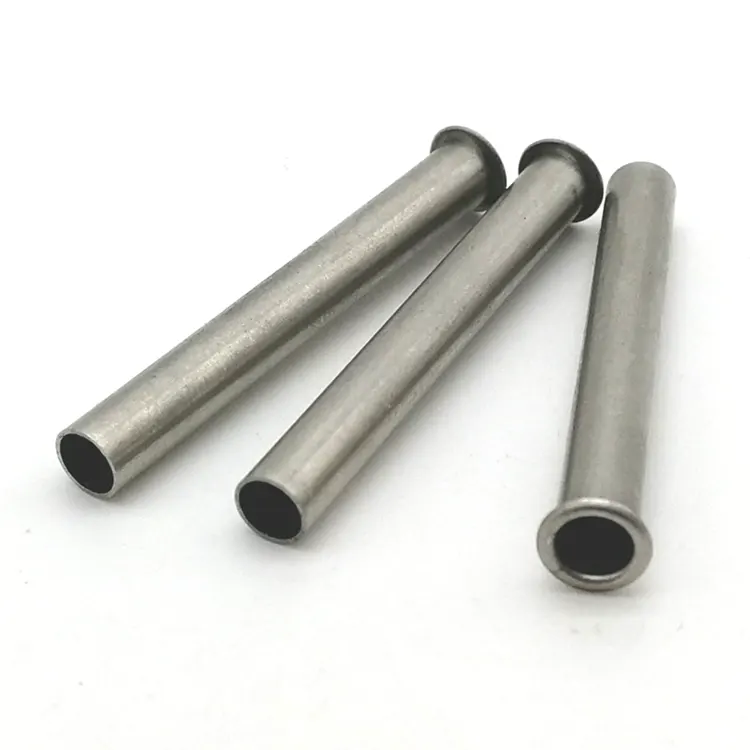
Remaches semihuecos de cabeza avellanada
Los remaches semihuecos de cabeza avellanada son un tipo especial de remache, llamado así por su diseño estructural único. "Avellanado" significa que la cabeza del remache queda al ras o ligeramente por debajo de la superficie de conexión después de la instalación, creando una apariencia suave y evitando la molestia o el peligro de que sobresalgan piezas. "Semihueco" se refiere a la estructura interna parcialmente hueca del remache, lo que permite una fijación rápida y eficiente utilizando herramientas especializadas durante la instalación.
Leer másEnviar Consulta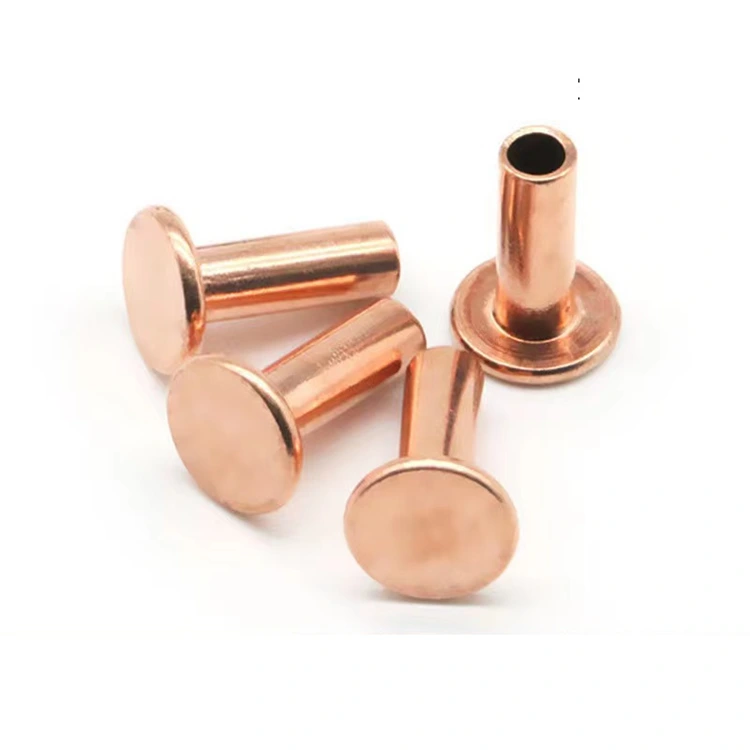
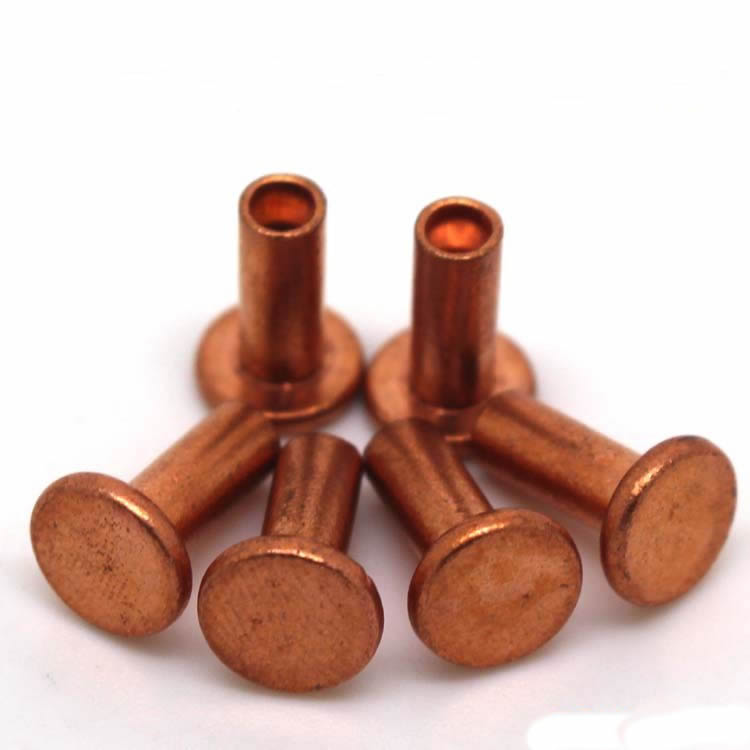
Remaches medio huecos de cobre
Nuote Metals suministra remaches semihuecos de cobre: sujetadores con una cavidad poco profunda en la cola que reduce la fuerza de ajuste hasta en un 70% en comparación con los remaches macizos. También comúnmente llamados remaches semitubulares, remaches semitubulares o remaches de extremo hueco. Fabricado con cobre puro C11000, que ofrece conductividad eléctrica 100 % IACS, conductividad térmica de 401 W/m·K y propiedades antimicrobianas naturales. Disponible en diámetros de vástago de 0,8 a 8,0 mm, seis estilos de cabeza y múltiples acabados.
Leer másEnviar Consulta¿Cuáles son las ventajas de los remaches sobre otros sujetadores?
1. Facilidad de instalación
Los remaches son rápidos de instalar e incluso completamente automatizados para aplicaciones de gran volumen, lo que resulta en un proceso operativo simple y eficiente.
2. Fiabilidad de la conexión
El proceso de remachado está estandarizado, con un estricto control de calidad, dando como resultado conexiones altamente estables. La inspección visual permite una verificación rápida de la calidad de la conexión.
3. Resistencia a vibraciones e impactos
Los remaches se conectan mediante deformación o ajuste de interferencia, proporcionando una fuerte fuerza de sujeción y una excelente resistencia a las vibraciones, capaces de soportar vibraciones y golpes.
4. Bajo costo
Los remaches son fáciles de instalar y pueden automatizarse completamente, lo que ahorra importantes costes laborales.
¿Cuáles son las ventajas y desventajas de los remaches fabricados con diferentes materiales?
Remaches de aluminio
Ventajas: Ligero, reduce el peso total del producto, bajo costo, adecuado para aplicaciones civiles generales.
Desventajas: Baja resistencia a la tracción y al corte, inadecuado para piezas de trabajo de alta resistencia, propenso a la corrosión electroquímica cuando entra en contacto con metales como el acero inoxidable.
Remaches de acero inoxidable
Ventajas: Fuerte resistencia a la corrosión, alta dureza, adecuada para piezas de trabajo de alta resistencia (como equipos marinos)
Desventajas: Mayor costo, normalmente más caro que los remaches de aluminio de la misma especificación.
Remaches de latón y cobre
Ventajas: Excelente conductividad (como la conexión de componentes electrónicos), buena resistencia a la corrosión.
Desventajas: Mayor costo, más difícil de procesar.
Remaches de acero
Ventajas: Alta dureza, alta confiabilidad de conexión y amplia aplicabilidad.
Desventajas: en comparación con otros materiales, los remaches de hierro son más propensos a oxidarse.
¿Cuáles son las principales aplicaciones de los remaches?
Los remaches tienen una amplia gama de usos, desde artículos pequeños como un par de tijeras hasta artículos grandes como aviones y barcos, así como en aplicaciones médicas de alta precisión.
Manufactura Industrial
Los remaches se utilizan en una amplia variedad de campos industriales, siempre que sea necesario conectar dos o más materiales.
Electrónica
Los remaches aseguran los disipadores de calor y los chips, proporcionando amortiguación de vibraciones y reducción de ruido, y se utilizan ampliamente en los sistemas de refrigeración de productos electrónicos como computadoras y teléfonos móviles.
Automotor
Los remaches se utilizan ampliamente para conectar componentes de carrocerías y chasis de automóviles, como puertas y capós. Sus propiedades ligeras y resistentes a la corrosión los convierten en un método de unión indispensable en la fabricación de automóviles.
Aeroespacial
En la fabricación de aviones, los remaches se utilizan para conectar diferentes componentes del fuselaje, como las alas y los estabilizadores. Millones de remaches crean uniones de alta resistencia y resistentes a la corrosión. Los remaches de aleación de aluminio y titanio se utilizan a menudo para conectar componentes de materiales correspondientes, lo que garantiza la estabilidad en entornos extremos.
Los remaches se utilizan en todas partes. Los ejemplos anteriores sólo representan una pequeña cantidad de sus aplicaciones. Vemos remaches en todas partes de nuestra vida diaria, como en tijeras, camas plegables, cochecitos, etc. Los remaches se pueden personalizar en diferentes tamaños y materiales según la aplicación.
Nuote Metals se ha especializado en la industria de los remaches desde hace más de una década. Nuestra fábrica está ubicada en Dongguan, una ciudad conocida como la "Fábrica Mundial", una ciudad con una industria desarrollada y transporte conveniente. Esto nos permite responder rápidamente a la hora de adquirir materias primas y soportar tratamientos de superficie, satisfaciendo las necesidades de nuestros clientes de acceso rápido a muestras y pedidos al por mayor. Producimos 10 millones de remaches por día y tenemos moldes de diversas especificaciones, lo que nos permite producir remaches tan pequeños como 0,8 mm y tan grandes como 10 mm. Agradecemos sus consultas y visitas.



X
Utilizamos cookies para ofrecerle una mejor experiencia de navegación, analizar el tráfico del sitio y personalizar el contenido. Al utilizar este sitio, acepta nuestro uso de cookies.
política de privacidad