Piezas de estampado
Notin invites you to visit our factory to purchase the newest, best-selling, affordable, and high-quality Stamping Parts. We are looking forward to working with you.
What are stamping parts?
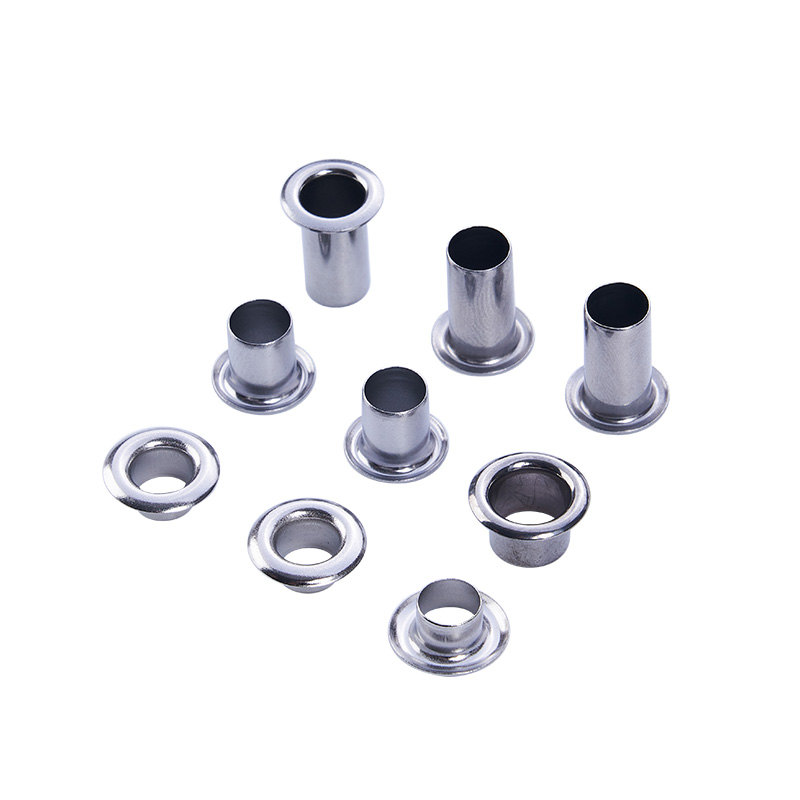
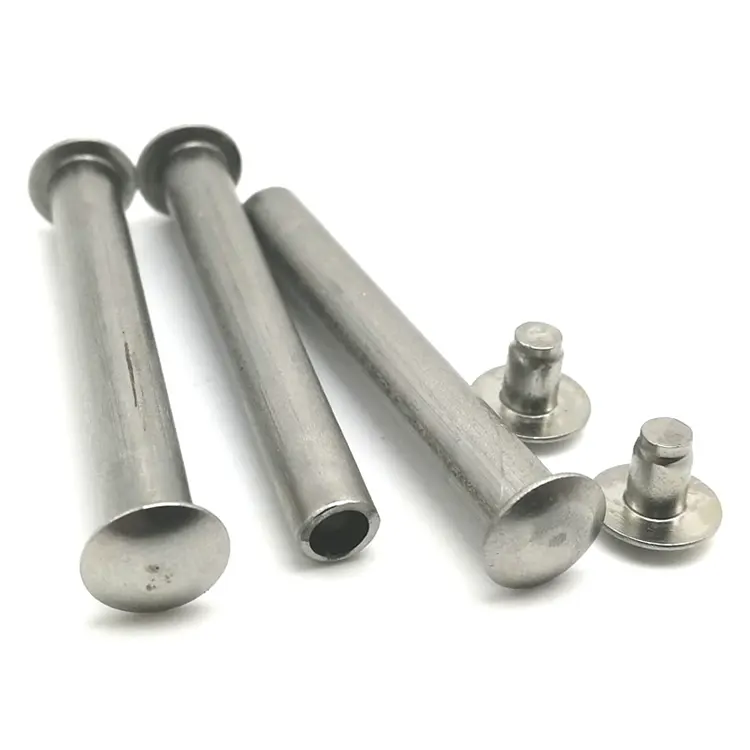
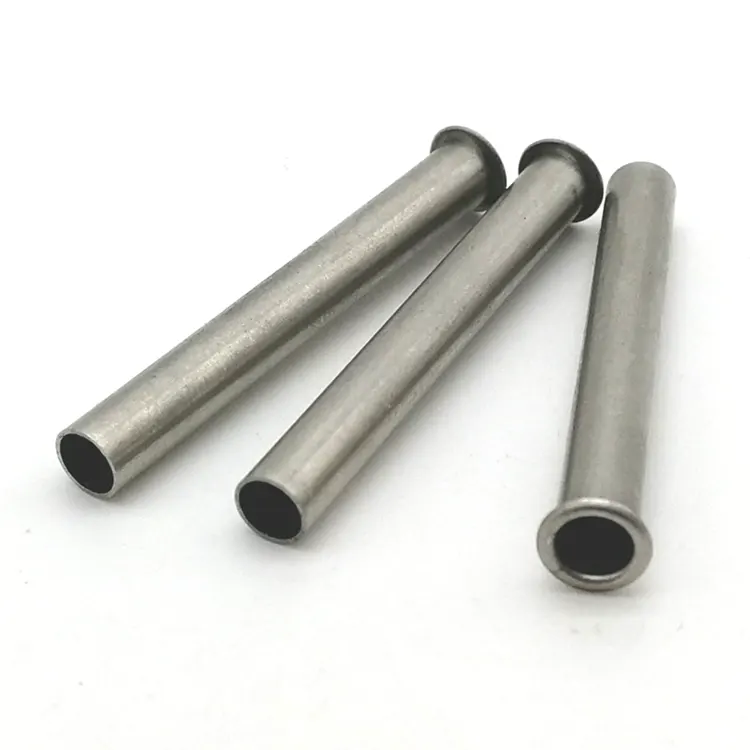
stamping parts are metal parts manufactured through a stamping process, using dies and presses to shear, bend, and stretch sheet metal (such as steel, aluminum, or copper) to form the desired shape. The core characteristics of this process are high efficiency and precision. Stamping can be categorized into two main types: separation processes (such as punching and blanking) and forming processes (such as drawing and flanging), to meet different structural requirements.
What are the main characteristics of stamping parts?
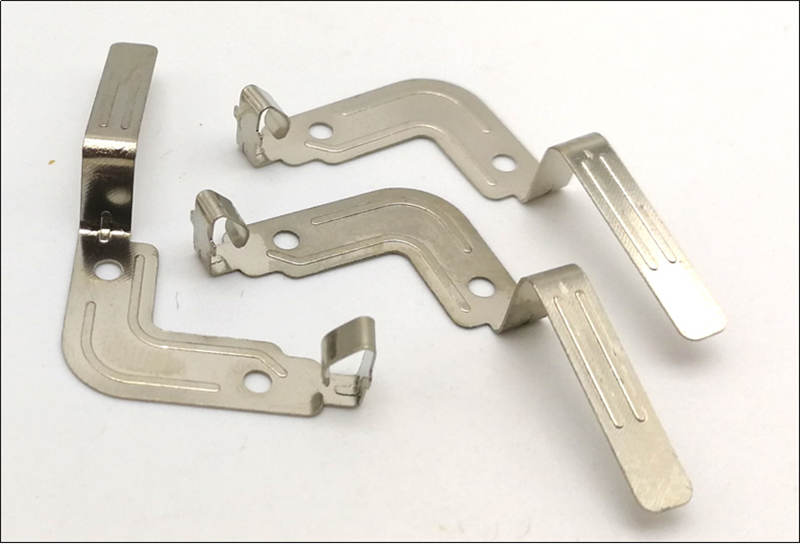
1. Compared to casting and forging, stamping parts are thinner, more uniform, lighter, and stronger. Stamping can produce workpieces with ribs, ribs, corrugations, or flanging that are difficult to create using other methods to increase rigidity.
2. Due to the use of dies, workpiece precision can reach micron levels, with high repeatability and consistent specifications, including punched holes and bosses. Cold stamped parts generally require no or minimal cutting.
3. The precision and surface finish of hot stamped parts are lower than those of cold stamped parts, but still superior to those of castings and forgings, requiring less cutting. 4. Using composite dies, particularly multi-station progressive dies, allows multiple stamping steps to be completed on a single press, achieving automated production from strip uncoiling, leveling, blanking, to forming and finishing.
5. High production efficiency, good working conditions, and low production costs enable the production of hundreds of pieces per minute. Stamping is primarily categorized by process into separating and forming.
6. The surface and internal properties of the stamped sheet material significantly impact the quality of the stamped product, requiring consistent thickness and uniformity of the stamped material.
7. The surface must be smooth, free of scars, scratches, or surface cracks, with uniform yield strength and no apparent directional variation; high uniform elongation; low yield strength; and low work hardening.
Metal Stamping Design Process
Metal stamping is a complex process that may include numerous metal forming steps—blank-cutting, punching, bending, and piercing, among others. Blanking: This process involves cutting the rough outline or shape of the product. This stage is focused on minimizing and avoiding burrs, which increase part cost and extend delivery time. This step is where you determine the hole diameter, geometry/taper, edge-to-hole spacing, and insert the first punch.
Bends: When designing bends in stamped metal parts, it's important to leave enough material—make sure to design your part and its blank so there's enough material to make the bend. Some important factors to keep in mind:
If the bend is too close to the hole, it may deform.
Notches, tabs, and notches should be designed with a width of at least 1.5 times the material thickness. Any smaller and they may become difficult to manufacture due to the forces exerted on the punch, causing them to break.
Each corner in the blank design should have a radius of at least half the material thickness.
To minimize the occurrence and severity of burrs, avoid sharp corners and complex cuts whenever possible. When these factors cannot be avoided, be sure to note the burr direction in the design so that it can be accounted for during stamping.
Coining: This action involves striking the edge of a stamped metal part to flatten or break burrs. This creates a smoother edge in the coined area of the part geometry. It can also add additional strength to localized areas of the part, which can avoid secondary operations such as deburring and grinding.
Productos
- View as
Componentes metálicos estampados
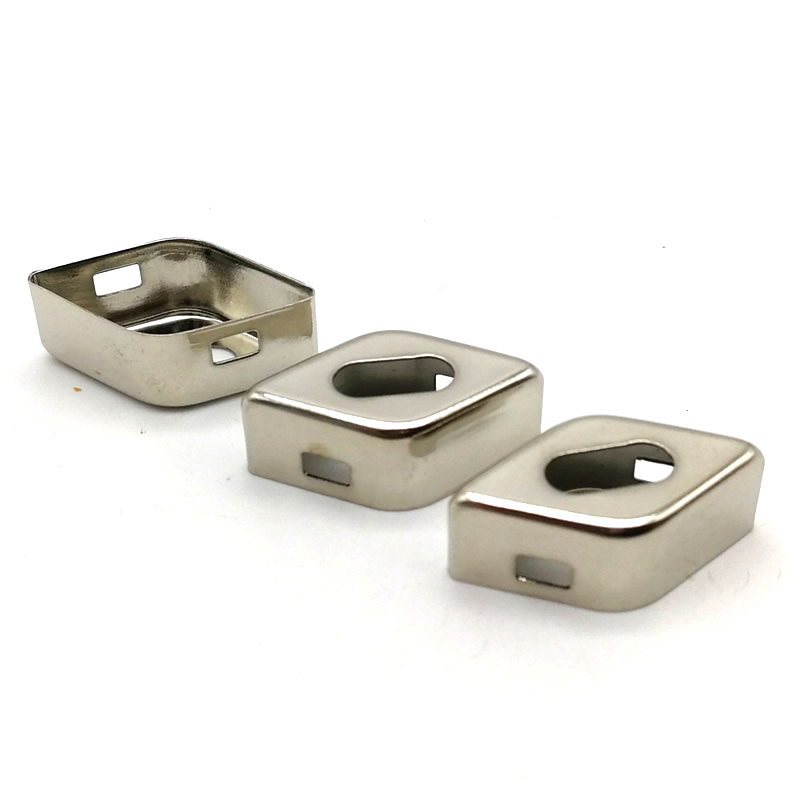
Desde nuestra fábrica en China, Nuote Metals produce componentes metálicos estampados personalizados para diversas industrias: automoción, electrodomésticos, electrónica y hardware. Utilizando prensas de alta velocidad y troqueles de precisión, transformamos acero, latón, aluminio o acero inoxidable en piezas complejas, sin rebabas y con tolerancias estrictas. Ya sea que necesite soportes, clips, terminales o chasis, nuestro proceso de estampado garantiza repetibilidad y rentabilidad. Resuelva las inconsistencias en el suministro y las variaciones dimensionales con componentes confiables entregados a tiempo. Confíe en nosotros para obtener una calidad que mantenga su línea de montaje en movimiento sin problemas.
Leer másEnviar Consulta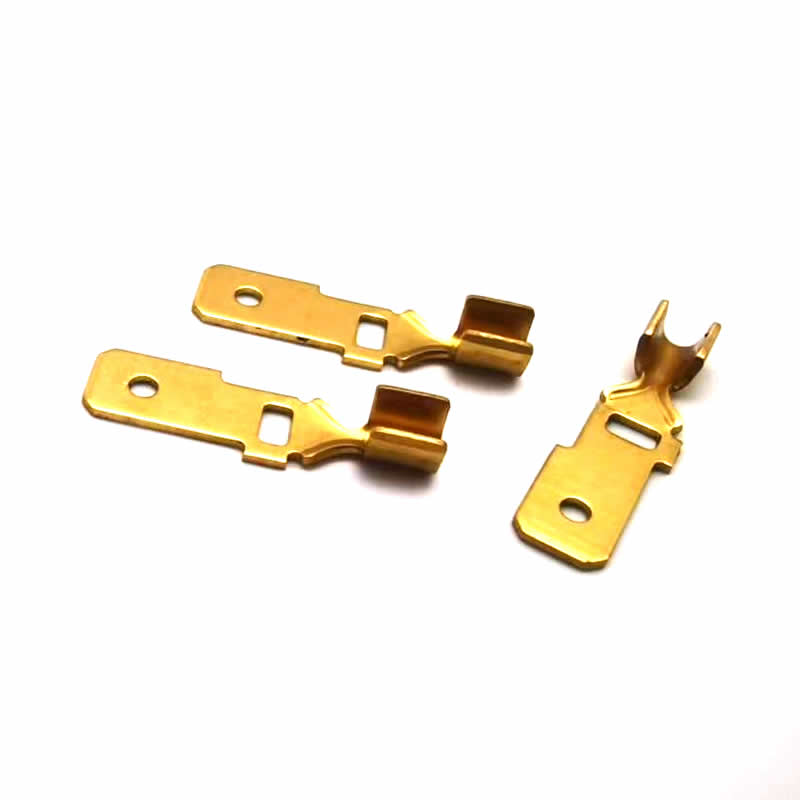
Estampado de metales de alta precisión
¿Busca una precisión a nivel de micras? Nuote Metals, una fábrica de China, ofrece estampado de metal personalizado de alta precisión para componentes complejos en automoción, electrónica y dispositivos médicos. Nuestras herramientas avanzadas garantizan tolerancias estrictas y bordes sin rebabas, lo que elimina el retrabajo y los desechos. Ya sea que necesite formas complejas o consistencia en grandes volúmenes, nuestro proceso de estampado garantiza la repetibilidad pieza tras pieza. Resuelva el mal ajuste y el desgaste prematuro con estampado de metal diseñado con precisión. Confíe en nosotros para obtener una calidad que reduce costos y aumenta la confiabilidad.
Leer másEnviar Consulta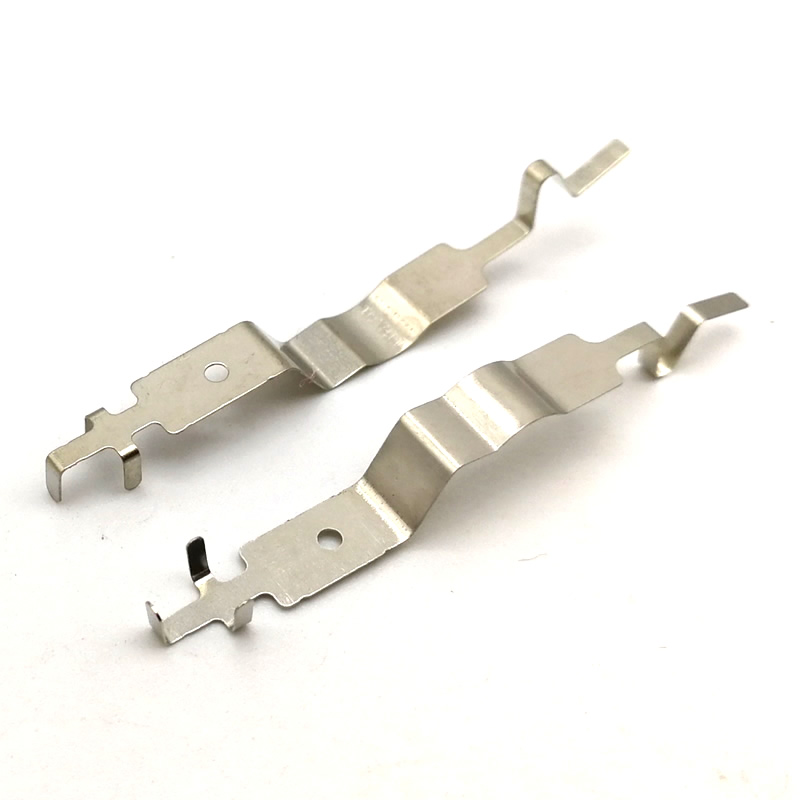
Estampado de piezas pequeñas
Desde China, el fabricante Nuote Metals ofrece estampado personalizado de piezas pequeñas para dispositivos electrónicos y médicos. Los troqueles de precisión crean componentes diminutos con tolerancias estrictas. Resuelva los desafíos de miniaturización de manera confiable. Confíe en el fabricante por la calidad en cada pequeño detalle.
Leer másEnviar Consulta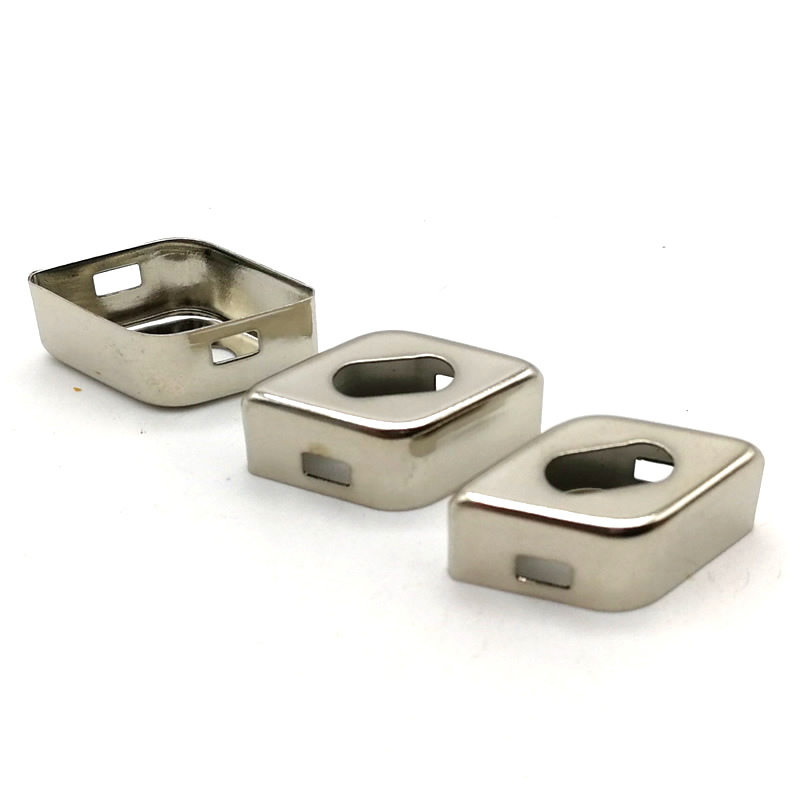
Piezas de acero estampadas
¿Necesita piezas de acero estampadas resistentes? Nuote Metals, una fábrica de China, ofrece componentes de acero estampados personalizados para maquinaria pesada y construcción. Nuestro estampado de alto tonelaje garantiza un espesor constante y resistencia al impacto. Resuelva las debilidades estructurales con piezas de acero diseñadas para brindar resistencia. Confíe en la fábrica para obtener una durabilidad duradera.
Leer másEnviar Consulta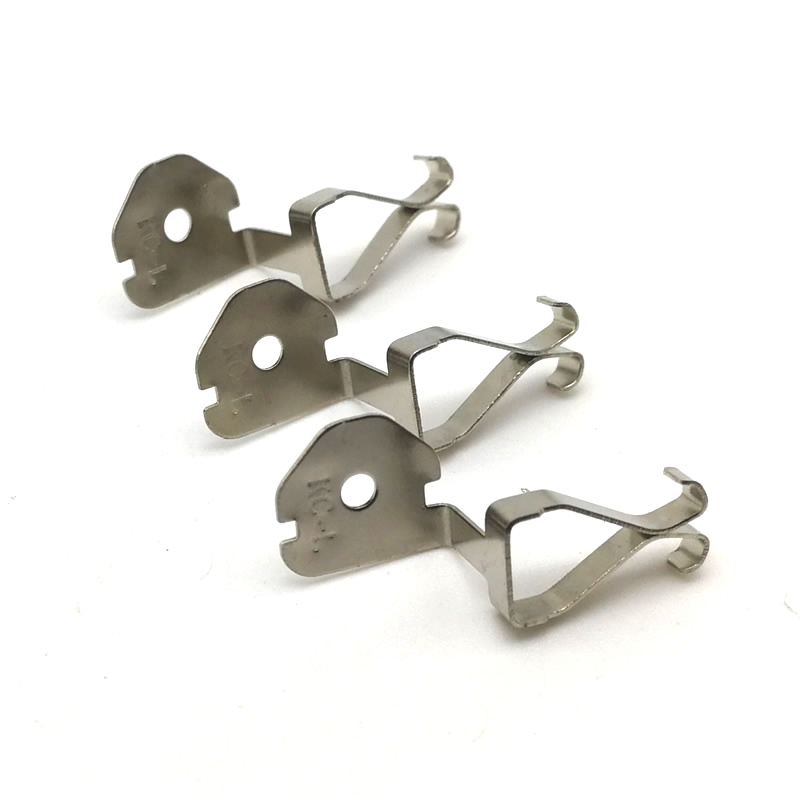
Piezas de estampado de acero inoxidable
¿Busca piezas de estampado de acero inoxidable duraderas? Nuote Metals, una fábrica de China, ofrece soluciones personalizadas para dispositivos médicos y automotrices. Nuestro estampado de precisión ofrece resistencia a la oxidación y ajustes exactos. Resuelva los problemas de corrosión y desgaste con piezas fabricadas para durar. Confíe en la fábrica por la calidad que funciona.
Leer másEnviar Consulta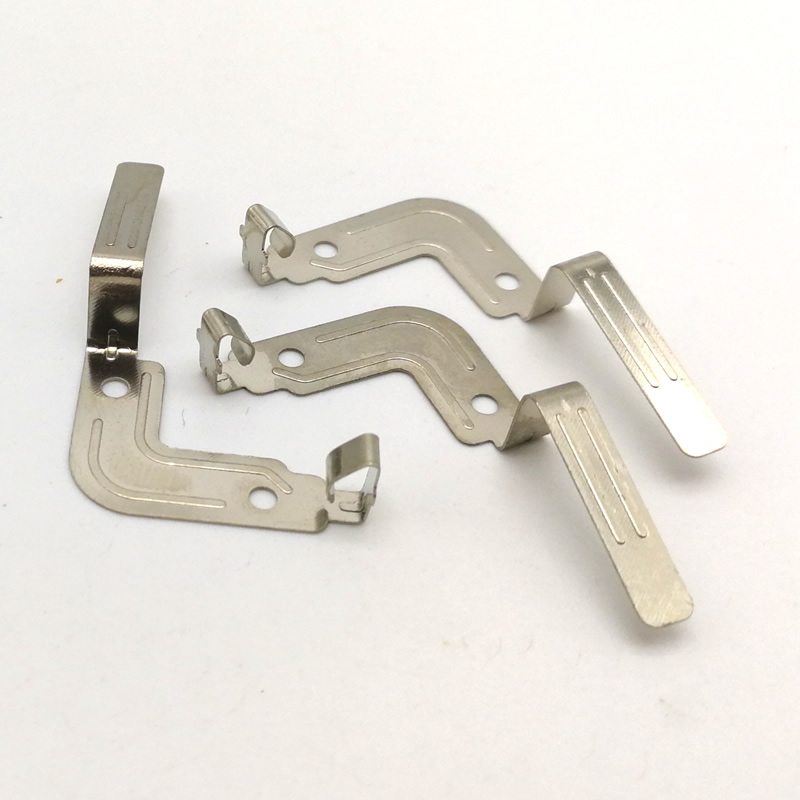
Estampado de alta velocidad
Desde nuestra fábrica en China, Nuote Metals ofrece estampado personalizado de alta velocidad para piezas de precisión. Este proceso garantiza una producción rápida y tolerancias estrictas, lo que reduce los costos de los pedidos de productos electrónicos y de automoción. Confíe en nosotros para una producción eficiente que mantenga su proyecto en movimiento.
Leer másEnviar ConsultaSome important factors to keep in mind:
Plasticity and Grain Direction – Plasticity is a measure of the permanent deformation a material undergoes when subjected to stress. Metals with greater plasticity are more susceptible to forming. Grain direction is important in high-strength materials, such as tempered metals and stainless steel. If bending occurs along a high-strength grain, cracking is more likely.
Bending Deformation/Expansion: Bending deformation causes expansion of up to 1/3 of the material thickness. This deformation/expansion becomes more severe as the material thickness increases and the bend radius decreases. Web and "mismatch" cutting: This involves making very slight indentations or protrusions in the part, typically about 0.1mm deep. This feature is not required when using composite or transfer tools, but it is essential when using progressive dies.
Advantages and Limitations of Stamping
Advantages:
- Low cost: In mass production, the cost per part can be reduced to one-third of that of a cast part;
- High consistency: Dimensional tolerances can be controlled within ±0.1mm;
- High material utilization: Through nesting optimization, the utilization rate can reach over 85%.
Limitations:
- Long mold development cycle and high initial investment, making it unsuitable for large-scale production;
- Complex three-dimensional structures (such as hollow crankshafts) require integration with other processes.
Core Application Areas of Stamping Parts
1. Automotive Industry: Accounts for over 60% of total stamping part demand, including body panels and chassis components;
2. Electronics and Electrical: For example, metal mobile phone frames and heat sinks, thicknesses can be as thin as 0.2mm;
3. Home Appliance Industry: Refrigerator panels, air conditioner housings, etc., where surface aesthetics can be enhanced through electroplating or spraying.



X
Utilizamos cookies para ofrecerle una mejor experiencia de navegación, analizar el tráfico del sitio y personalizar el contenido. Al utilizar este sitio, acepta nuestro uso de cookies.
política de privacidad