Remaches Especiales
Productos
- View as
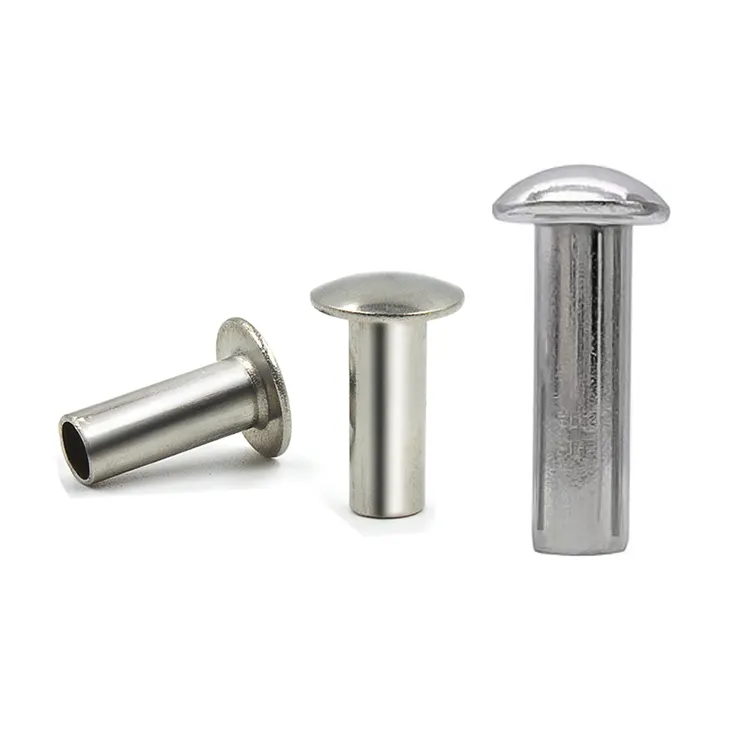
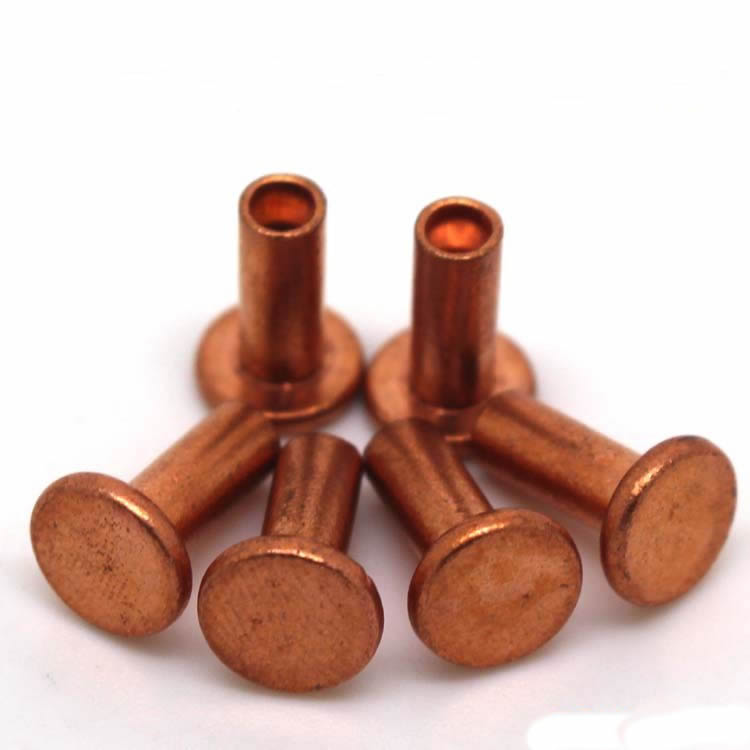
Remaches de cabeza plana de acero inoxidable
Nuote Metals es un fabricante confiable de remaches en China que produce remaches en una variedad de materiales, incluidos latón, hierro, aluminio, acero inoxidable y cobre. Los remaches de cabeza plana de acero inoxidable son una opción ideal para numerosas industrias debido a sus excelentes propiedades de sujeción, resistencia superior a la corrosión, diversas especificaciones y amplia gama de aplicaciones. Ya sea en la fabricación industrial, la decoración arquitectónica, la fabricación de automóviles o el bricolaje doméstico, los remaches de cabeza plana de acero inoxidable brindan una solución de conexión confiable y agregan una capa de seguridad a cualquier proyecto.
Leer másEnviar Consulta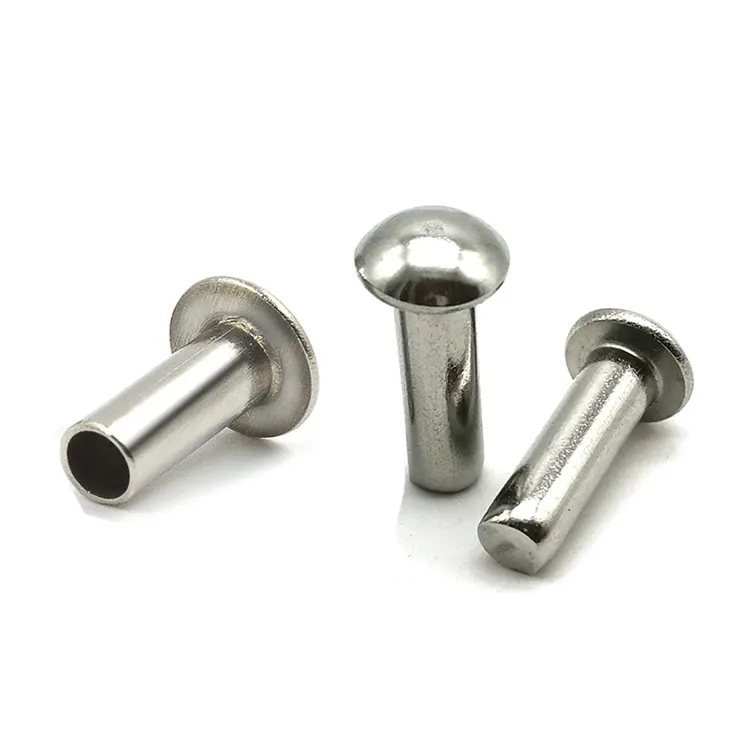
Remaches de cabeza de hongo de acero inoxidable
Nuote Metals se especializa en la producción de remaches con cabeza de seta de acero inoxidable. Nuestros remaches de acero inoxidable cuentan con un acabado brillante. Desde el almacenamiento de materia prima hasta la producción y el envío, controlamos rigurosamente cada detalle para garantizar que cada remache se entregue a nuestros clientes con una apariencia y dimensiones impecables. Fabricados en acero inoxidable, estos remaches en forma de seta son resistentes a la corrosión y poseen fuertes propiedades mecánicas. Se utilizan ampliamente en aplicaciones de remachado como equipaje, indumentaria y equipos industriales.
Leer másEnviar Consulta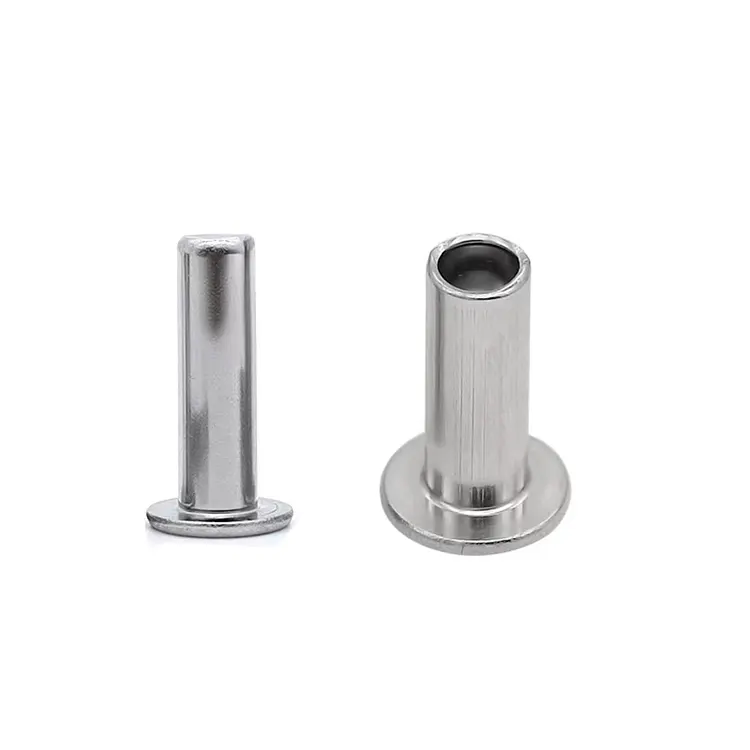
Remaches de cabeza plana de acero inoxidable
Nuote Metals se especializa en la producción de remaches de cabeza plana de acero inoxidable. Utilizamos materiales SUS304 o SUS316L, lo que da como resultado una superficie lisa y sin rayones. Las dimensiones se ajustan estrictamente a los dibujos del cliente y nuestro departamento de inspección de calidad inspecciona rigurosamente tanto la apariencia como las dimensiones para garantizar que cada remache cumpla con las especificaciones del cliente. Los remaches de cabeza plana de acero inoxidable están hechos principalmente de acero inoxidable, una aleación conocida por su resistencia a la corrosión, a las altas temperaturas y a su alta resistencia. Esto asegura que estos remaches de acero inoxidable de cabeza plana permanezcan estables incluso en ambientes húmedos, ácidos o alcalinos, resistiendo el óxido o la deformación.
Leer másEnviar Consulta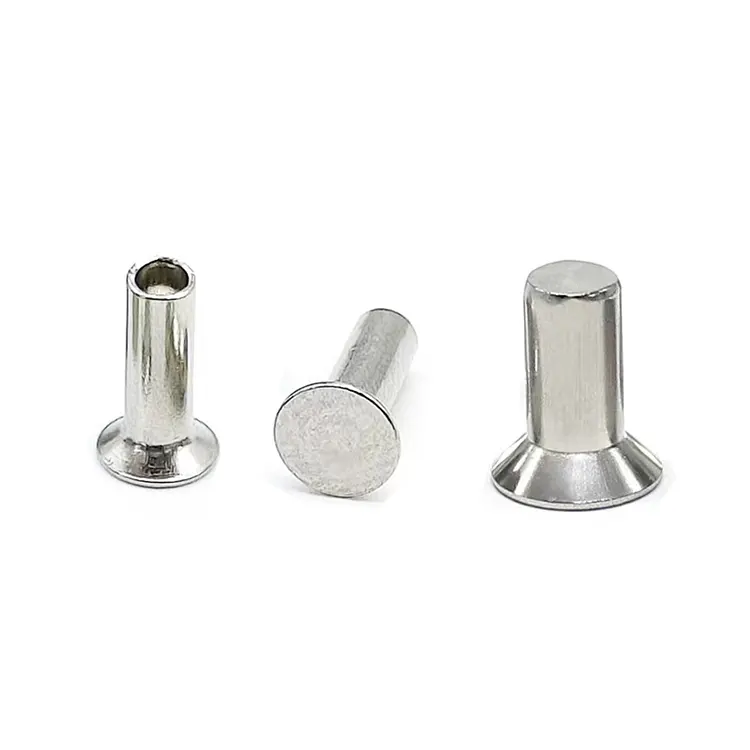
Remaches de cabeza avellanada de acero inoxidable
Los remaches de cabeza avellanada de acero inoxidable están hechos de acero inoxidable para garantizar resistencia a la corrosión y durabilidad. Los materiales comunes de acero inoxidable incluyen 304 y 316, y el material específico que se utilizará depende del entorno y los requisitos de la aplicación específica. Nuote Metals se especializa en la producción de remaches de acero inoxidable, incluidas varias formas de cabeza, como remaches de acero inoxidable de cabeza plana, remaches de acero inoxidable con cabeza de cúpula, remaches de acero inoxidable con cabeza de hongo, remaches de acero inoxidable con cabeza plana y más. Agradecemos sus consultas.
Leer másEnviar Consulta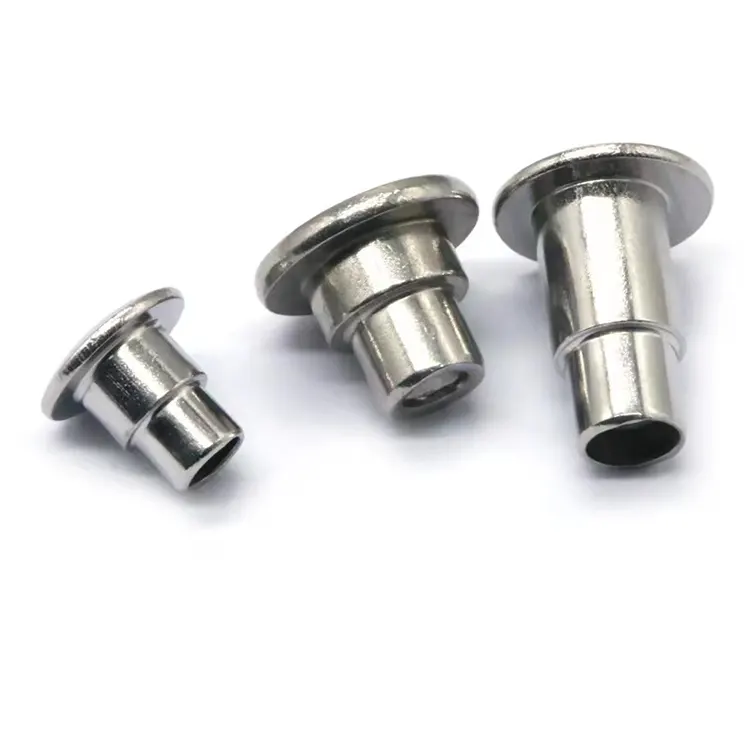
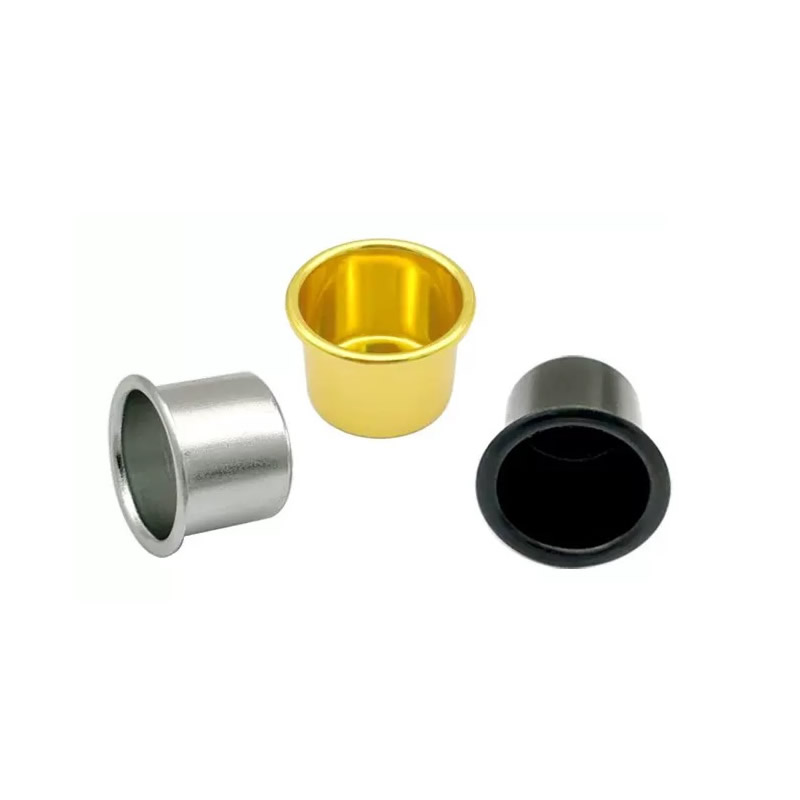
Remaches de hombro
Nuote Metals fabrica y suministra remaches de hombro, llamados así por su parecido con los escalones. Ubicados en Dongguan, China, fabricamos estos remaches en una variedad de materiales, incluidos acero inoxidable, cobre, hierro y aluminio. Todos los remaches de hombro se fabrican según sus dibujos o muestras para satisfacer sus necesidades específicas de remachado. Nuestros remaches tienen un acabado de precisión y pueden adaptarse a una variedad de tratamientos de superficie, incluidos galvanoplastia, electroforesis y anodizado.
Leer másEnviar Consulta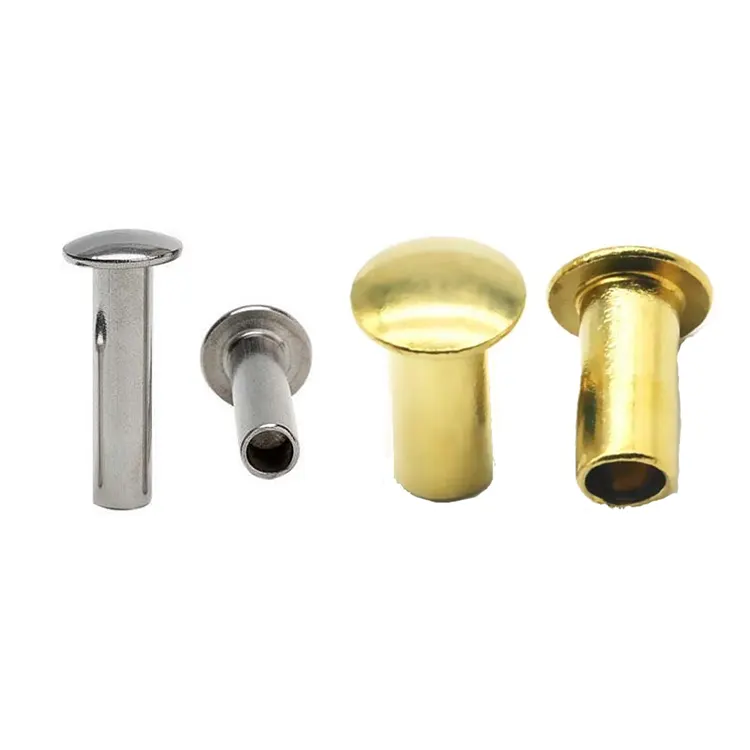
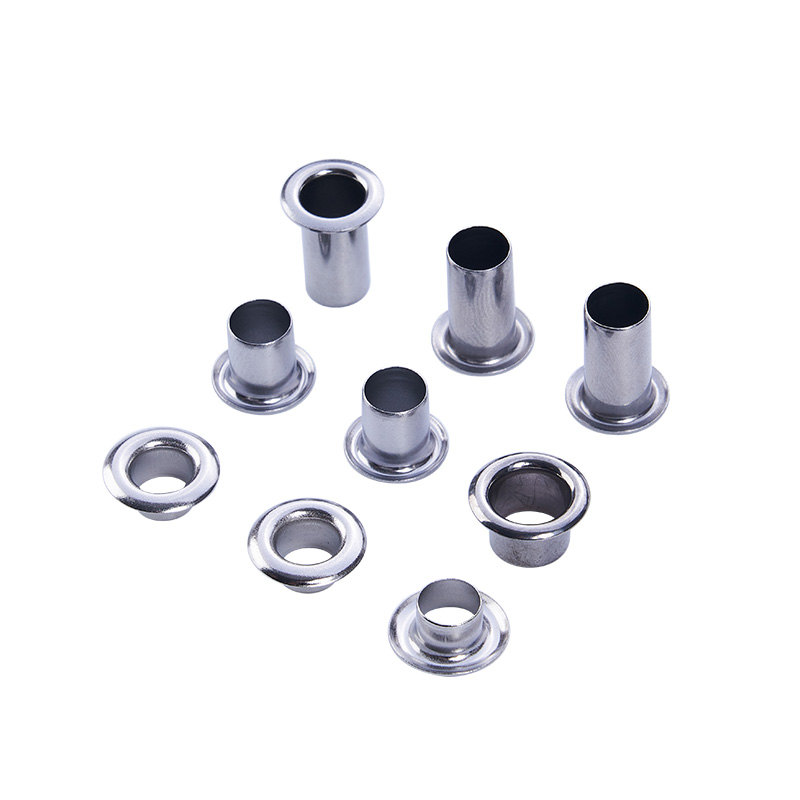
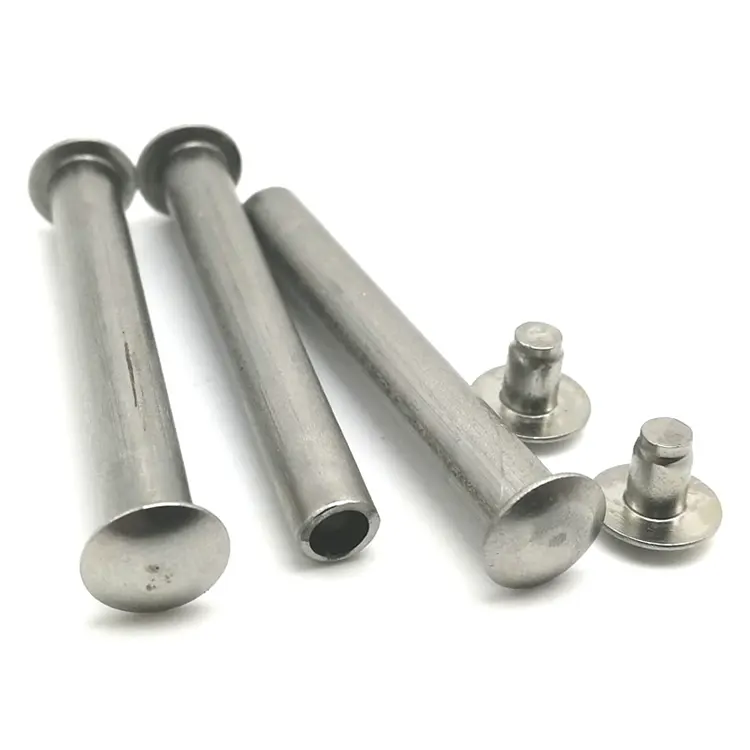
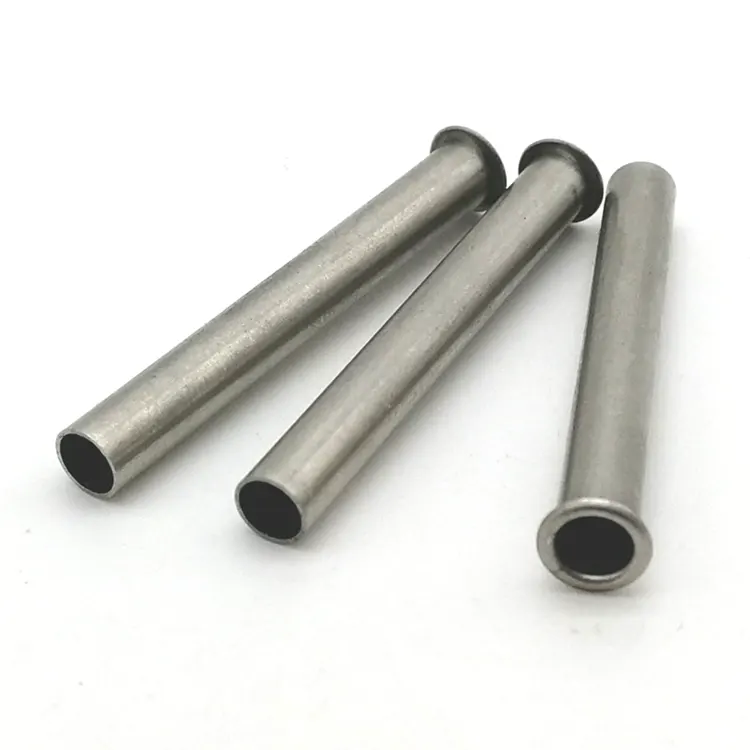
Remaches semi huecos
Nuote Metals es un fabricante profesional de remaches ubicado en Dongguan, China, una ciudad industrialmente desarrollada con transporte conveniente y una amplia gama de tratamientos de superficie. Los remaches semihuecos son un elemento de fijación de uso común que se caracteriza por una sección hueca en el vástago. Este diseño les permite adaptarse mejor a la deformación de los materiales unidos durante el proceso de remachado, mejorando así la resistencia y confiabilidad de la unión. Los remaches semihuecos se utilizan ampliamente en las industrias de fabricación de automóviles, aviación y construcción naval, así como en el ensamblaje de productos electrónicos y electrodomésticos.
Leer másEnviar ConsultaProceso de fabricación de remaches especiales.
La fabricación de Remaches Especiales implica múltiples eslabones, entre los que destacan principalmente:
1.Selección de materiales:Seleccione materiales metálicos o de aleación adecuados según el entorno de uso.
2.Rumbo en frío o ruteo en caliente:Utilice el procesamiento a presión para formar la forma básica del remache en la pieza de metal.
3.Torneado o Fresado:Procese con precisión los detalles, como la cabeza y el vástago del remache, para garantizar la precisión dimensional.
4.Tratamiento superficial:Como galvanizado, niquelado, anodizado, etc. para mejorar la resistencia a la corrosión o la estética.
Ventajas y limitaciones de los remaches especiales.
(1) Ventajas: pueden satisfacer necesidades especiales, mejorar la eficiencia del ensamblaje y la confiabilidad de la conexión, y son adecuados para escenarios de aplicaciones complejos o de alta demanda.
(2) Limitaciones: al ser productos personalizados, el costo de producción es alto, el ciclo de entrega es relativamente largo y los clientes deben proporcionar parámetros técnicos detallados.
¿Cómo elegir remaches especiales adecuados?
(1)Aclare las necesidades:Determine los parámetros clave, como el entorno operativo del remache, las condiciones de tensión y los requisitos de resistencia a la corrosión.
(2)Combinación de materiales:Seleccione el material adecuado en función de las necesidades reales para evitar un diseño excesivo que genere mayores costos.
(3)Comunicarse con proveedores:Proporcione dibujos técnicos detallados o muestras para garantizar que los remaches especiales producidos cumplan con las expectativas.
¿Cuáles son las principales aplicaciones de los remaches especiales?
(1)Aeroespacial: Los aviones, cohetes y otros equipos tienen requisitos extremadamente altos en cuanto al peso, la resistencia y la resistencia a altas temperaturas de los sujetadores. Los remaches especiales se pueden optimizar según las necesidades específicas.
(2)Fabricación de automóviles:Ciertos modelos especiales o vehículos de alto rendimiento pueden requerir remaches especiales para satisfacer las necesidades de conexiones livianas o de alta resistencia.
(3)Equipos electrónicos:Los instrumentos de precisión o pequeños equipos electrónicos pueden requerir microrremaches especiales para garantizar la estabilidad y compacidad de la conexión.
(4)Industria de la construcción:Algunos edificios con estructuras especiales o proyectos de decoración pueden utilizar remaches especiales para cumplir con requisitos de instalación específicos.
Estado de mercado de los remaches especiales.
Con el avance de la tecnología industrial, cada vez más industrias han comenzado a utilizar remaches especiales para optimizar el diseño de productos. En la actualidad, los fabricantes de remaches especiales se concentran principalmente en las regiones del delta del río Yangtze y del delta del río Perla en China y pueden proporcionar una variedad de servicios personalizados. Debido al alto precio unitario de los remaches especiales, el tamaño de su mercado es relativamente pequeño, pero la demanda en el campo de la fabricación de alta gama sigue creciendo.
Tendencias de desarrollo futuras
(1)Diseño ligero: Con la mejora de los requisitos de ahorro de energía y protección del medio ambiente, los remaches especiales fabricados con materiales ligeros serán más populares.
(2)Producción inteligente: Los equipos automatizados y la gestión digital mejorarán aún más la eficiencia de producción y la estabilidad de la calidad de los remaches especiales.
(3)Aplicación más amplia: Las industrias emergentes, como las nuevas energías y la robótica, pueden impulsar el crecimiento de la demanda de Remaches especiales.
En resumen, los remaches especiales son sujetadores altamente personalizados que pueden satisfacer necesidades especiales que los remaches estándar no pueden satisfacer. Aunque su costo de producción es relativamente alto, desempeña un papel insustituible en industrias como la aeroespacial, la automotriz y la electrónica. En el futuro, con el avance de la tecnología de fabricación, se espera que el ámbito de aplicación de los remaches especiales se amplíe aún más.



X
Utilizamos cookies para ofrecerle una mejor experiencia de navegación, analizar el tráfico del sitio y personalizar el contenido. Al utilizar este sitio, acepta nuestro uso de cookies.
política de privacidad