Remaches Especiales
Productos
- View as
Remaches de cabeza redonda
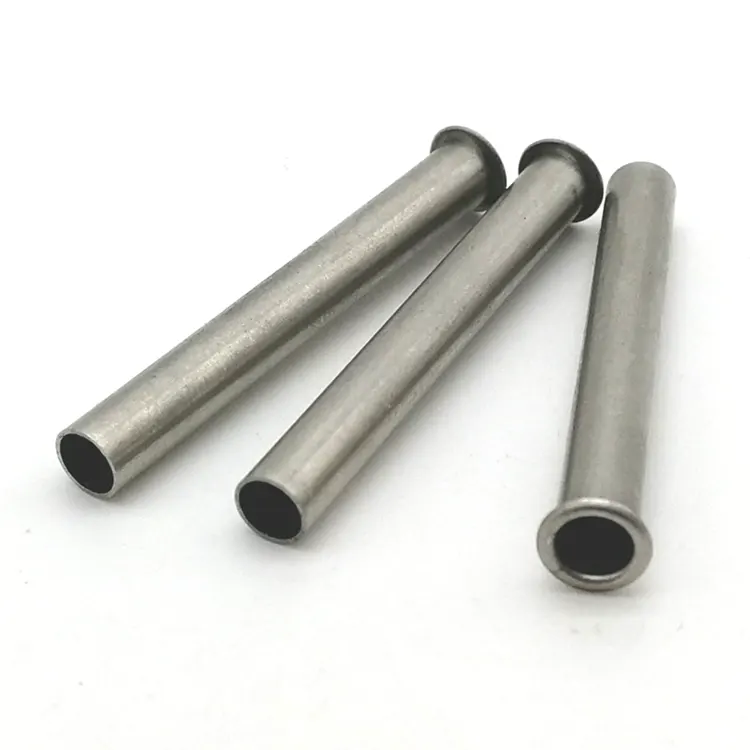
Nuote Metals fabrica remaches de cabeza redonda en diseños sólidos, semitubulares y tubulares completos: el estilo de cabeza de remache más reconocido y confiable en fijación industrial. Disponible en diámetros de vástago de 1,5 a 8,0 mm, cinco familias de materiales y longitudes personalizadas. Calidad con certificación ISO, trazabilidad total y muestras gratuitas disponibles: contáctenos para comenzar.
Leer másEnviar Consulta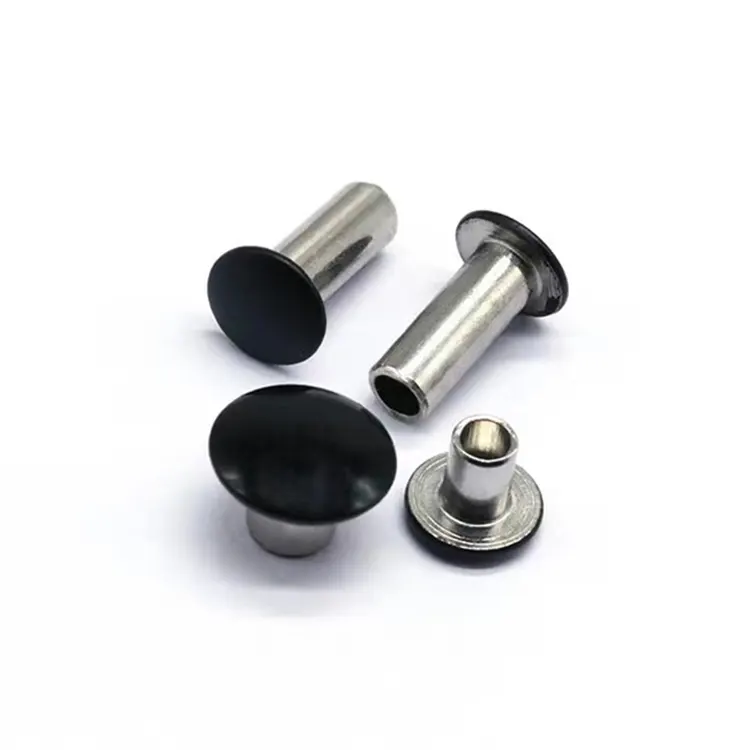
Remaches con recubrimiento en polvo
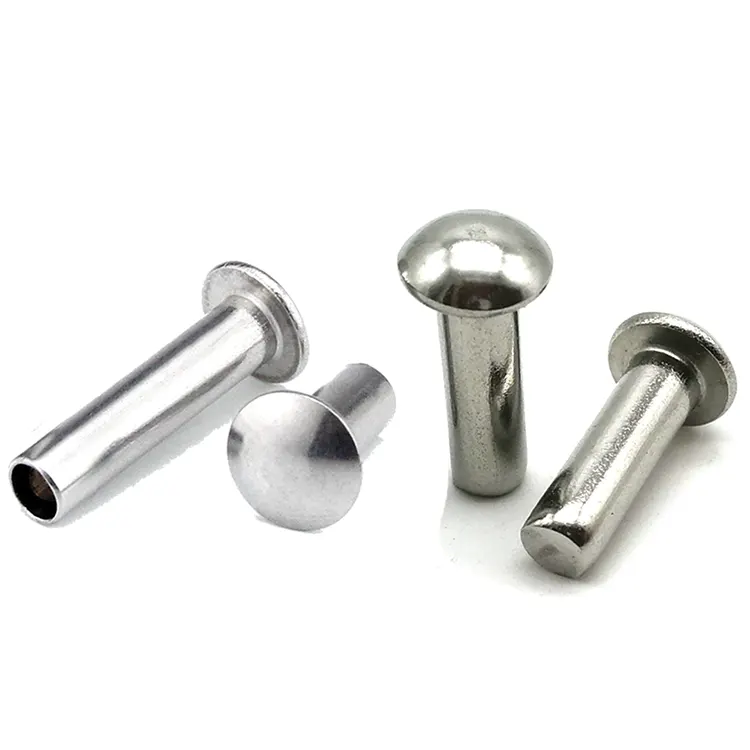
Los remaches de colores, también conocidos como remaches con recubrimiento en polvo, se recubren con una capa de polvo en la cabeza del remache mediante un proceso de pintura por pulverización a alta temperatura. La pintura se seca uniformemente para garantizar un acabado que no se decolore. Este tipo de remache requiere un alto nivel de habilidad en el barnizado al horno y una combinación precisa de colores. Después del remachado, crea un color consistente y hermoso, realizando plenamente su efecto decorativo.
Leer másEnviar Consulta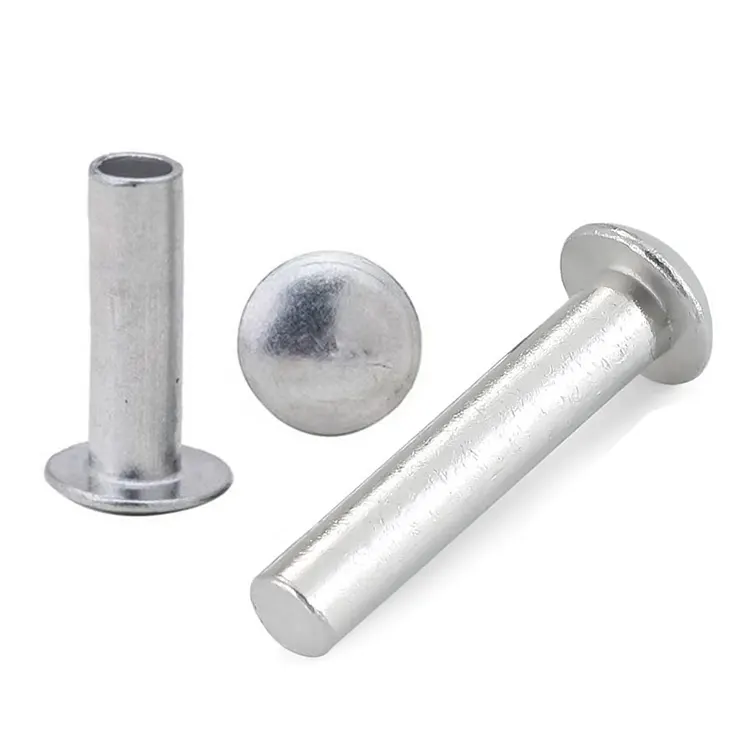
Remaches de cabeza plana
Nuote Metals fabrica remaches de cabeza plana en diseños sólidos y semitubulares, con una cúpula de altura media con una pared lateral corta y recta que ofrece más área de apoyo que una cabeza redonda y más altura de cabeza que una cabeza plana. Disponible en diámetros de vástago de 1,5 a 8,0 mm, cinco familias de materiales y longitudes personalizadas. Calidad con certificación ISO, trazabilidad total y muestras gratuitas disponibles: contáctenos para comenzar.
Leer másEnviar Consulta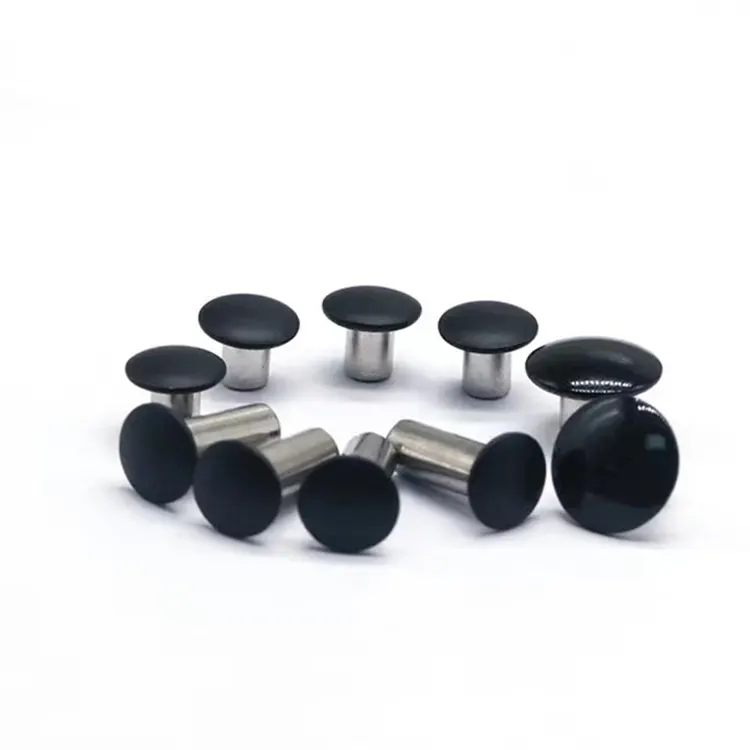
Remaches pintados
Los remaches pintados con cabeza pintada son muy resistentes a la corrosión. La capa de pintura, normalmente de 15 a 25 micrones de espesor, los aísla eficazmente de la humedad y los productos químicos. Las pruebas de niebla salina muestran que los remaches pintados pueden resistir la oxidación durante más de 500 horas, tres veces más que los remaches sin recubrimiento. Nuote Metals se especializa en este tipo de remaches, estamos ubicados en Dongguan, China.
Leer másEnviar Consulta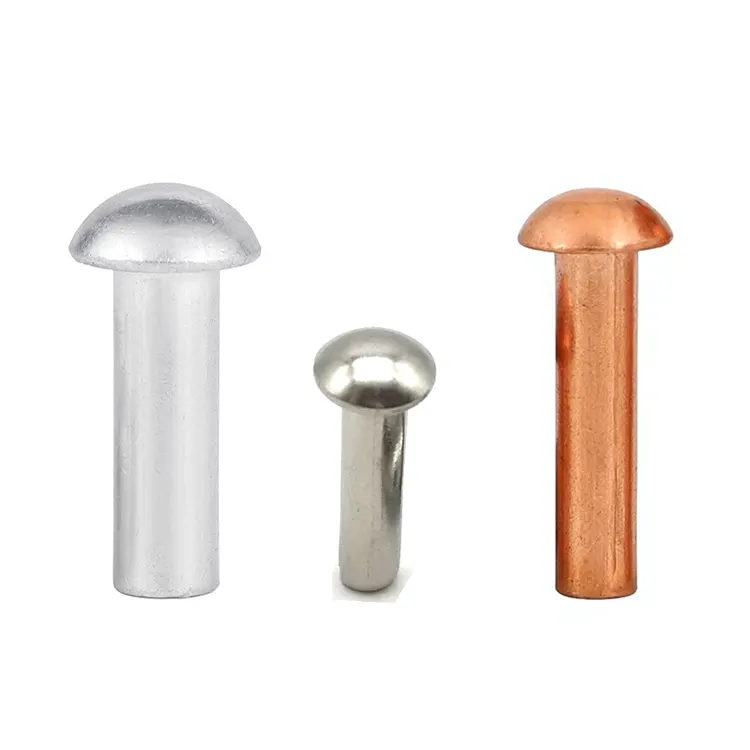
Remaches de cabeza de hongo
Nuote Metals es un fabricante con sede en China de remaches con cabeza de hongo en diseños sólidos y semitubulares, que presentan una cúpula ancha y ligeramente redondeada que distribuye la carga uniformemente sin cortar materiales blandos. Disponible en diámetros de vástago de 1,5 a 8,0 mm, cinco familias de materiales y longitudes personalizadas. Calidad con certificación ISO, trazabilidad total y muestras gratuitas disponibles: contáctenos para comenzar.
Leer másEnviar Consulta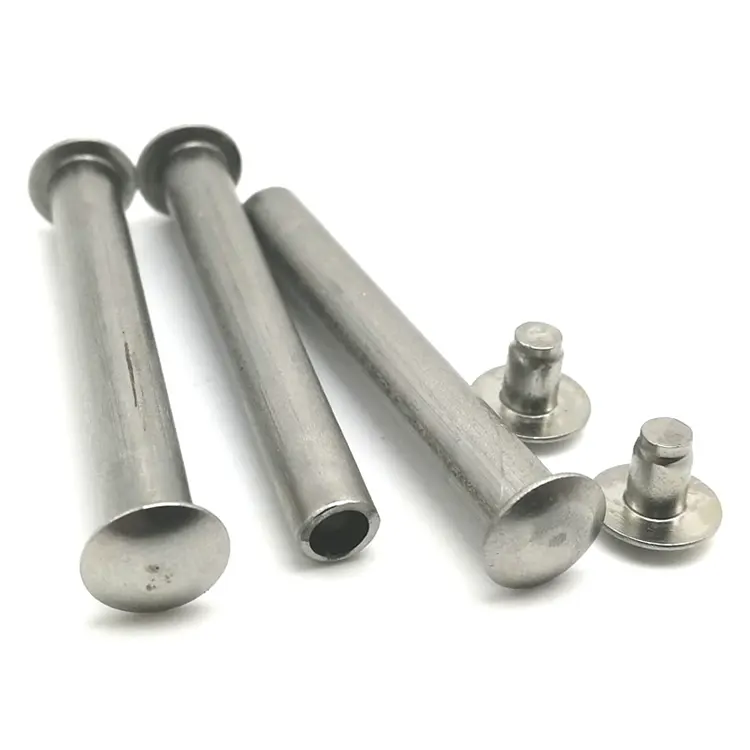
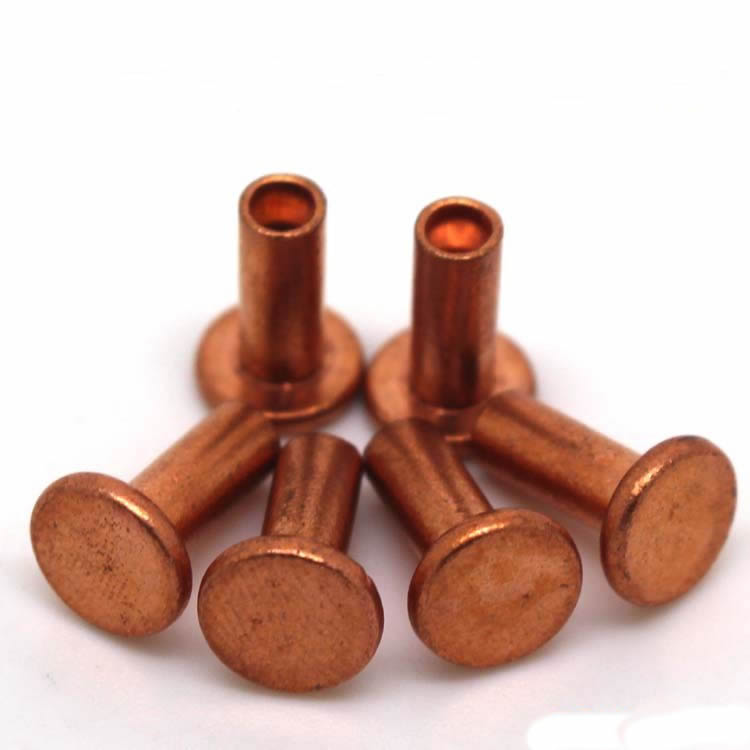
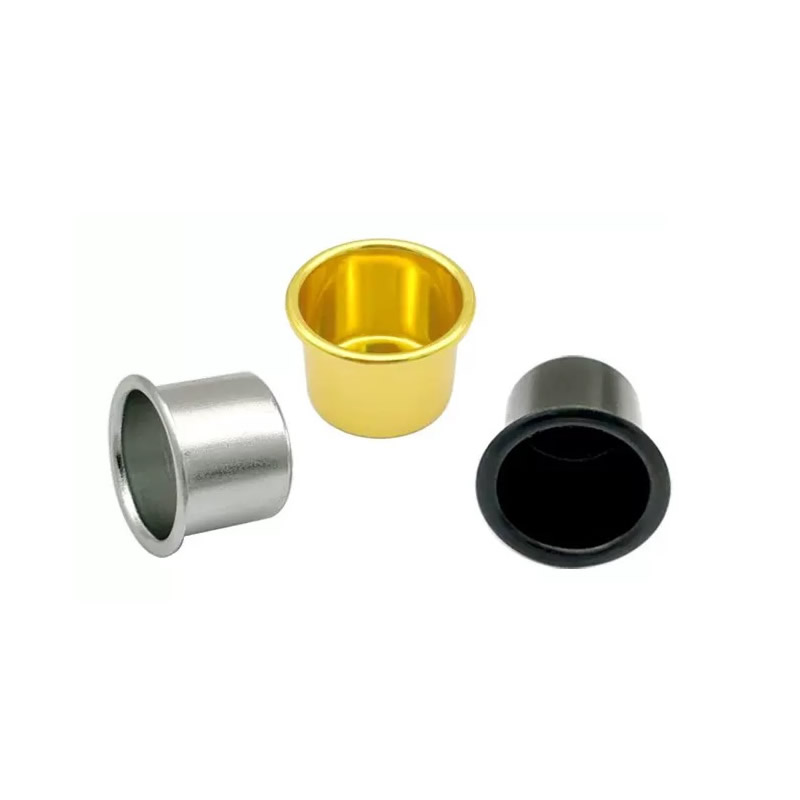
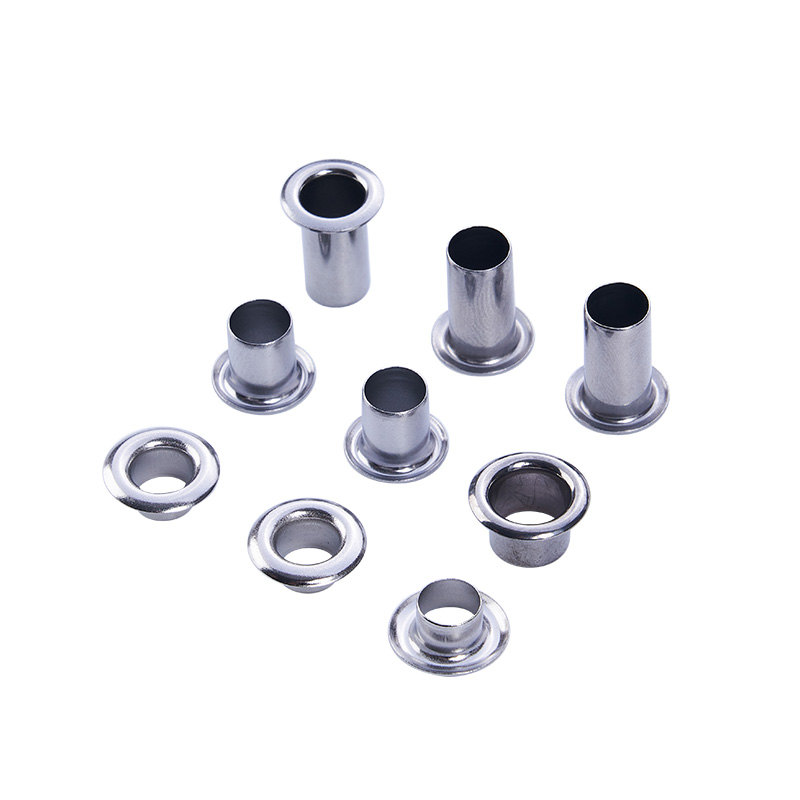
Macho Hembra Remaches
Nuote Metals es un fabricante especializado de remaches macho hembra en China. Las ventajas de los remaches macho hembra son una instalación sencilla y un bajo costo. En comparación con otros métodos de conexión, como soldadura o adhesivos, los remaches macho-hembra no requieren habilidades especializadas ni largos tiempos de curado. Sin embargo, sus desventajas también son importantes: la resistencia de la conexión es limitada, lo que la hace inadecuada para entornos de alta intensidad o vibraciones. Después de un uso prolongado, pueden aflojarse y requerir una inspección periódica.
Leer másEnviar ConsultaProceso de fabricación de remaches especiales.
La fabricación de Remaches Especiales implica múltiples eslabones, entre los que destacan principalmente:
1.Selección de materiales:Seleccione materiales metálicos o de aleación adecuados según el entorno de uso.
2.Rumbo en frío o ruteo en caliente:Utilice el procesamiento a presión para formar la forma básica del remache en la pieza de metal.
3.Torneado o Fresado:Procese con precisión los detalles, como la cabeza y el vástago del remache, para garantizar la precisión dimensional.
4.Tratamiento superficial:Como galvanizado, niquelado, anodizado, etc. para mejorar la resistencia a la corrosión o la estética.
Ventajas y limitaciones de los remaches especiales.
(1) Ventajas: pueden satisfacer necesidades especiales, mejorar la eficiencia del ensamblaje y la confiabilidad de la conexión, y son adecuados para escenarios de aplicaciones complejos o de alta demanda.
(2) Limitaciones: al ser productos personalizados, el costo de producción es alto, el ciclo de entrega es relativamente largo y los clientes deben proporcionar parámetros técnicos detallados.
¿Cómo elegir remaches especiales adecuados?
(1)Aclare las necesidades:Determine los parámetros clave, como el entorno operativo del remache, las condiciones de tensión y los requisitos de resistencia a la corrosión.
(2)Combinación de materiales:Seleccione el material adecuado en función de las necesidades reales para evitar un diseño excesivo que genere mayores costos.
(3)Comunicarse con proveedores:Proporcione dibujos técnicos detallados o muestras para garantizar que los remaches especiales producidos cumplan con las expectativas.
¿Cuáles son las principales aplicaciones de los remaches especiales?
(1)Aeroespacial: Los aviones, cohetes y otros equipos tienen requisitos extremadamente altos en cuanto al peso, la resistencia y la resistencia a altas temperaturas de los sujetadores. Los remaches especiales se pueden optimizar según las necesidades específicas.
(2)Fabricación de automóviles:Ciertos modelos especiales o vehículos de alto rendimiento pueden requerir remaches especiales para satisfacer las necesidades de conexiones livianas o de alta resistencia.
(3)Equipos electrónicos:Los instrumentos de precisión o pequeños equipos electrónicos pueden requerir microrremaches especiales para garantizar la estabilidad y compacidad de la conexión.
(4)Industria de la construcción:Algunos edificios con estructuras especiales o proyectos de decoración pueden utilizar remaches especiales para cumplir con requisitos de instalación específicos.
Estado de mercado de los remaches especiales.
Con el avance de la tecnología industrial, cada vez más industrias han comenzado a utilizar remaches especiales para optimizar el diseño de productos. En la actualidad, los fabricantes de remaches especiales se concentran principalmente en las regiones del delta del río Yangtze y del delta del río Perla en China y pueden proporcionar una variedad de servicios personalizados. Debido al alto precio unitario de los remaches especiales, el tamaño de su mercado es relativamente pequeño, pero la demanda en el campo de la fabricación de alta gama sigue creciendo.
Tendencias de desarrollo futuras
(1)Diseño ligero: Con la mejora de los requisitos de ahorro de energía y protección del medio ambiente, los remaches especiales fabricados con materiales ligeros serán más populares.
(2)Producción inteligente: Los equipos automatizados y la gestión digital mejorarán aún más la eficiencia de producción y la estabilidad de la calidad de los remaches especiales.
(3)Aplicación más amplia: Las industrias emergentes, como las nuevas energías y la robótica, pueden impulsar el crecimiento de la demanda de Remaches especiales.
En resumen, los remaches especiales son sujetadores altamente personalizados que pueden satisfacer necesidades especiales que los remaches estándar no pueden satisfacer. Aunque su costo de producción es relativamente alto, desempeña un papel insustituible en industrias como la aeroespacial, la automotriz y la electrónica. En el futuro, con el avance de la tecnología de fabricación, se espera que el ámbito de aplicación de los remaches especiales se amplíe aún más.



X
Utilizamos cookies para ofrecerle una mejor experiencia de navegación, analizar el tráfico del sitio y personalizar el contenido. Al utilizar este sitio, acepta nuestro uso de cookies.
política de privacidad