Remaches Especiales
Productos
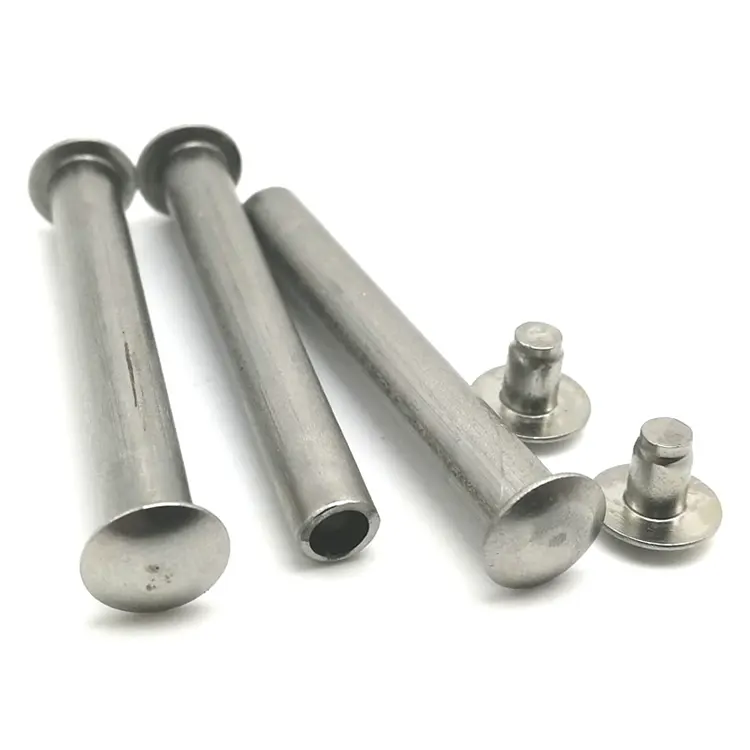
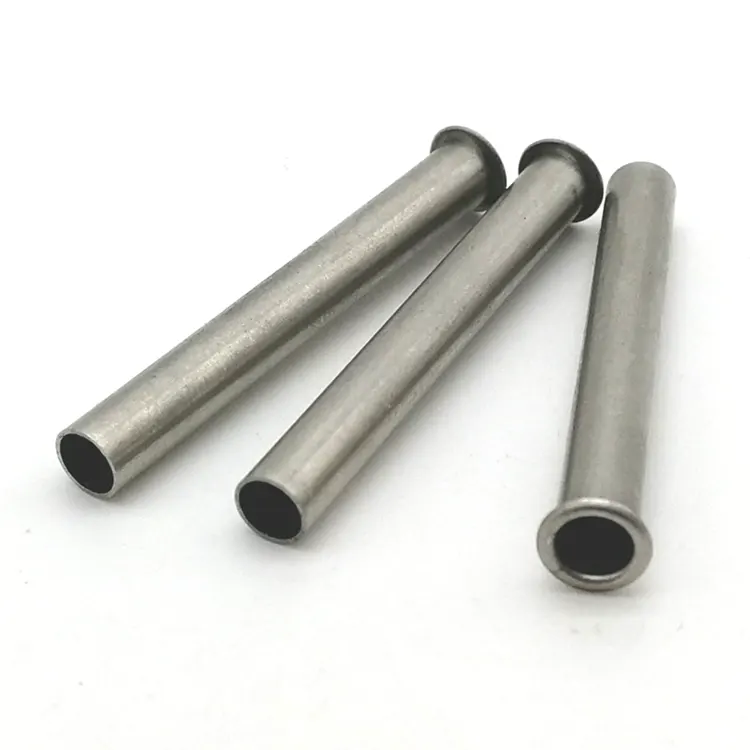
- View as
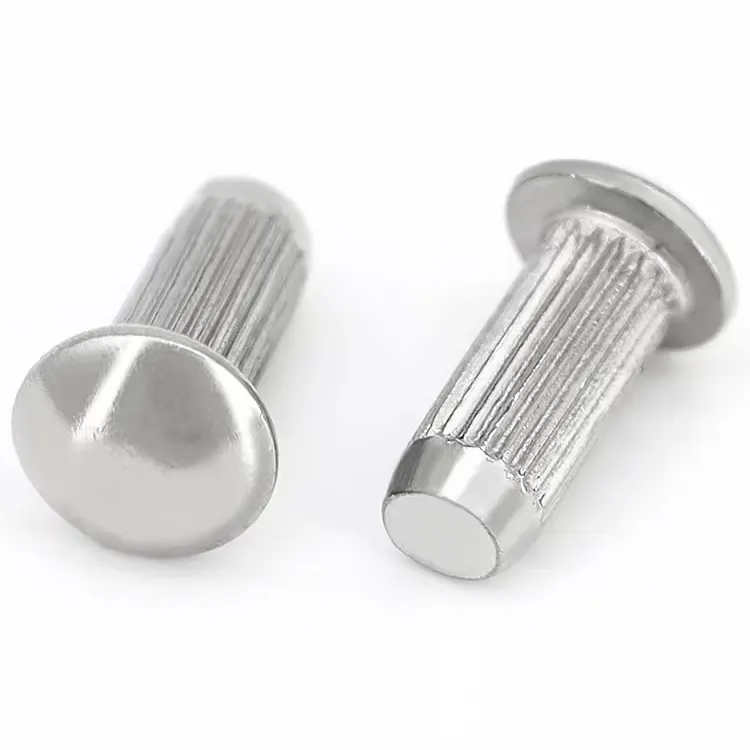
Remaches moleteados
Los remaches moleteados suelen constar de una cabeza, un vástago y una cola. El vástago presenta un patrón moleteado diagonal o recto, una textura mecanizada y en relieve que proporciona un mejor agarre durante la instalación y evita el deslizamiento de la herramienta. El vástago es cilíndrico y su longitud y diámetro varían según la aplicación. Los tamaños comunes varían de 3 mm a 8 mm de diámetro y de 5 mm a 20 mm de longitud. La cola también puede tener roscas o ranuras para acoplarse con tuercas u otros sujetadores.
Leer másEnviar Consulta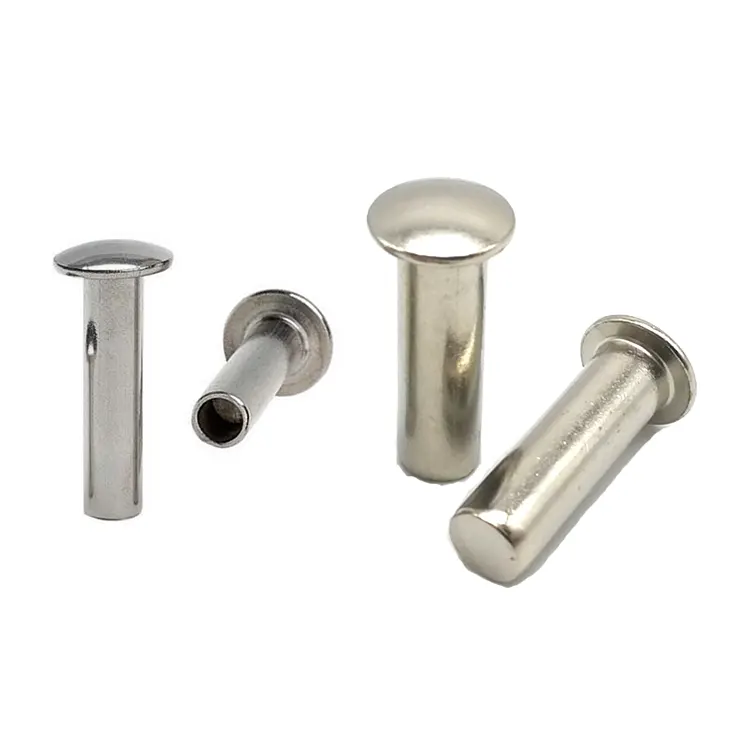
Remaches de cabeza redonda de hierro
Los remaches de cabeza redonda de hierro son un elemento de fijación muy utilizado en la fabricación industrial y en la vida cotidiana. Su diseño único y excelente rendimiento los convierten en la mejor opción en muchos campos. Nuote Metals se especializa en la producción de remaches de hierro con cabeza redonda. Las dimensiones de nuestros remaches se ajustan estrictamente a las tolerancias especificadas en los planos del cliente. Cada proceso está sujeto a un ciclo de inspección de calidad para asegurar la calidad del producto final. Disponemos de decenas de máquinas de estampación en frío, con una producción diaria de decenas de millones de remaches.
Leer másEnviar Consulta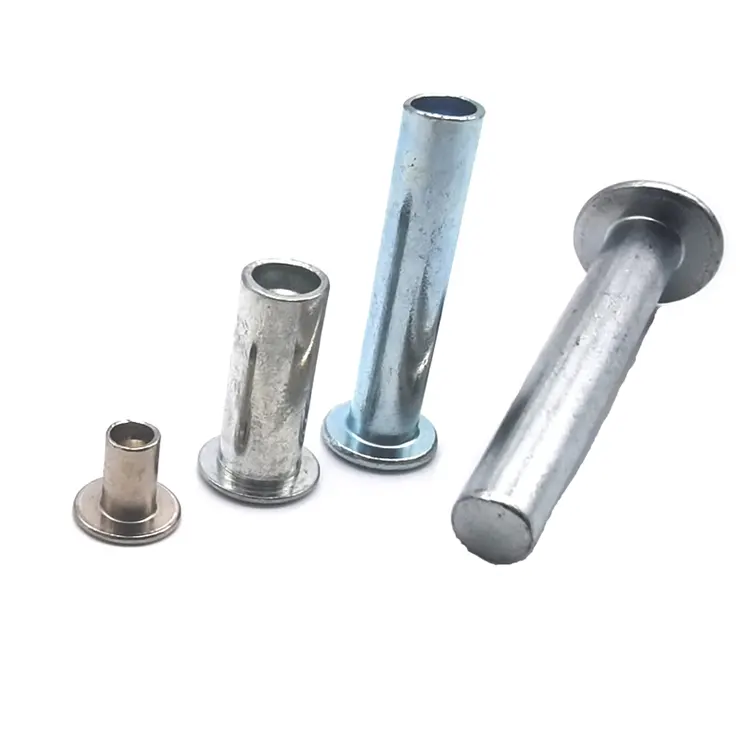
Remaches de hierro
Nuote Metals fabrica remaches de hierro en diseños sólidos, semitubulares y tubulares completos, ofreciendo la mejor combinación de resistencia y economía en fijación industrial. Disponible en diámetros de vástago de 1,5 a 8,0 mm con revestimiento de zinc o acabado de óxido negro.
Leer másEnviar Consulta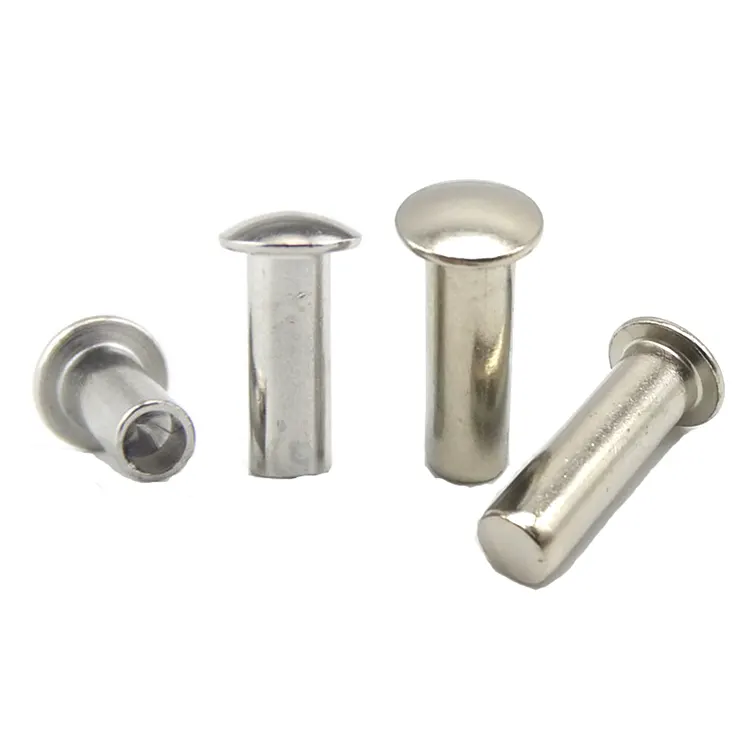
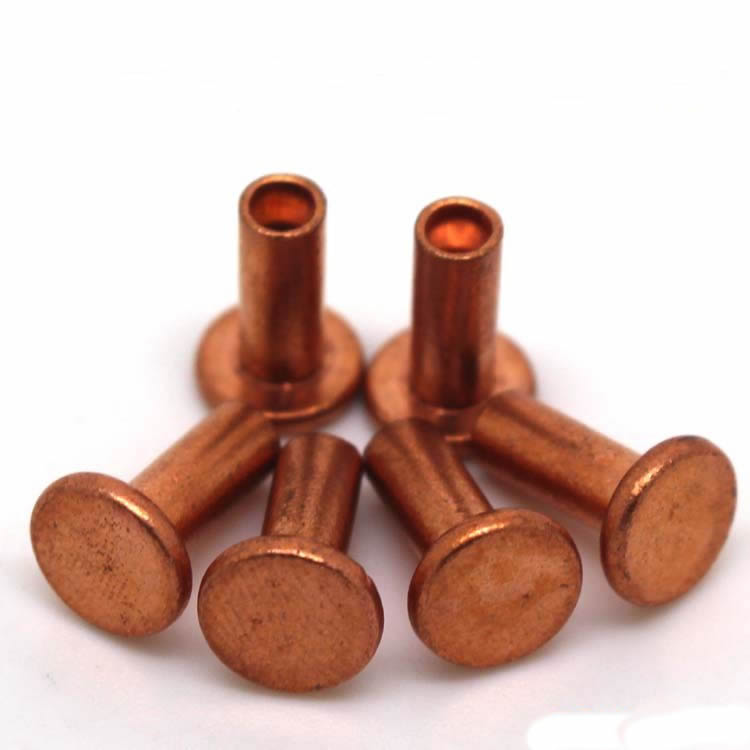
Remaches de cabeza plana de hierro
Los remaches de cabeza plana de hierro, con sus características livianas, resistentes a la corrosión y estéticamente agradables, se han convertido en elementos versátiles en la fabricación industrial. Ya sea en aplicaciones de peso crítico o en la vida cotidiana, los remaches de cabeza plana de hierro ofrecen un rendimiento y confiabilidad excepcionales. Bienvenido a Nuote Metals en Dongguan, China, especialista en estos remaches. Ofrecemos productos de alta calidad con entrega garantizada. También fabricamos otros accesorios de hardware, como ojales, piezas mecanizadas y piezas estampadas.
Leer másEnviar Consulta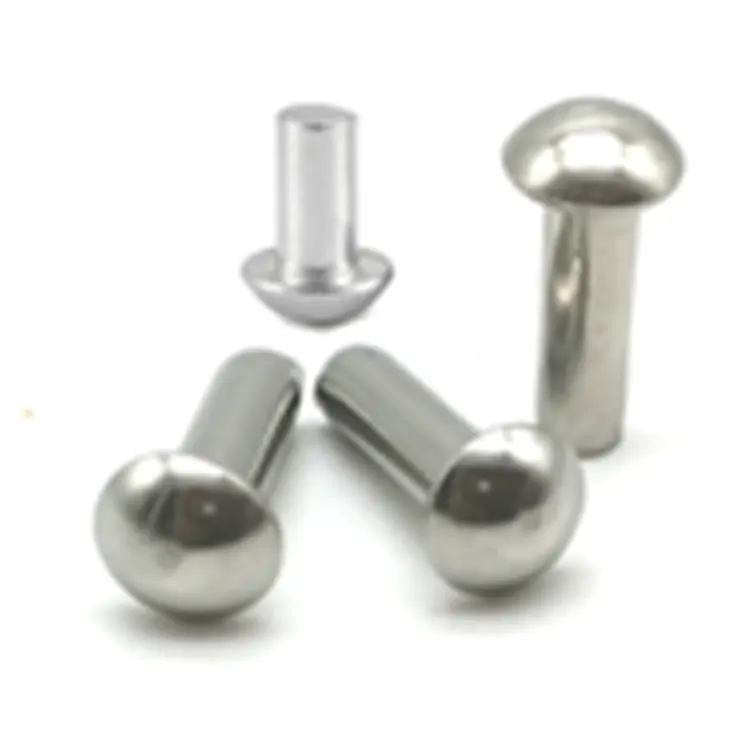
Remaches de cabeza de seta de hierro
Nuote Metals es un fabricante profesional de remaches ubicado en Dongguan, China. Nuestros remaches de hierro con cabeza de hongo, como su nombre indica, tienen una cabeza en forma de hongo con un núcleo semihueco o sólido. La cabeza suele ser más grande, lo que proporciona una buena superficie de apoyo. Esta estructura permite la deformación durante la instalación, ya sea mediante extrusión o herramientas especializadas, para conectar de forma segura dos o más materiales. Hechos de hierro, generalmente están galvanizados o tratados con otros acabados para resistir la corrosión.
Leer másEnviar Consulta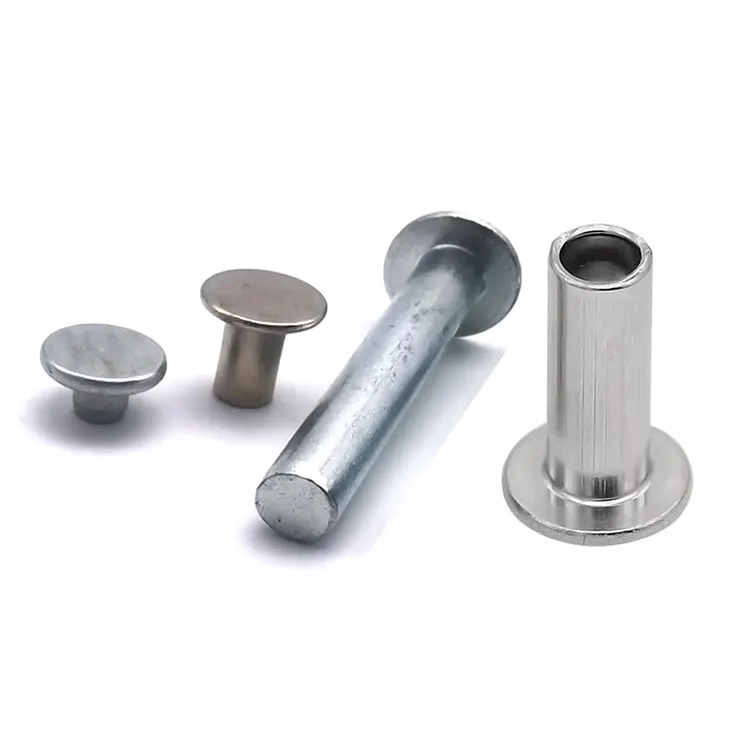
Remaches de cabeza plana de hierro
Como conector mecánico común, los remaches de cabeza plana de hierro ocupan una posición importante en múltiples campos industriales debido a sus características de diseño y su amplia gama de aplicaciones. Estructuralmente, la cabeza del remache es plana, en forma de disco y el cuerpo es cilíndrico. El extremo se procesa especialmente para formar una estructura recalcada. Después de la instalación, la presión o el impacto hacen que el cuerpo se expanda, formando un acoplamiento mecánico con la pared del orificio para lograr un efecto de apriete. En comparación con los remaches de cabeza redonda o los remaches de cabeza avellanada, el diseño de cabeza plana tiene importantes ventajas en la distribución de la fuerza y el área de contacto. Por ejemplo, cuando se somete a una fuerza de corte, su cabeza en forma de disco puede dispersar la carga a un área más grande, reduciendo efectivamente la presión por unidad de área.
Leer másEnviar ConsultaProceso de fabricación de remaches especiales.
La fabricación de Remaches Especiales implica múltiples eslabones, entre los que destacan principalmente:
1.Selección de materiales:Seleccione materiales metálicos o de aleación adecuados según el entorno de uso.
2.Rumbo en frío o ruteo en caliente:Utilice el procesamiento a presión para formar la forma básica del remache en la pieza de metal.
3.Torneado o Fresado:Procese con precisión los detalles, como la cabeza y el vástago del remache, para garantizar la precisión dimensional.
4.Tratamiento superficial:Como galvanizado, niquelado, anodizado, etc. para mejorar la resistencia a la corrosión o la estética.
Ventajas y limitaciones de los remaches especiales.
(1) Ventajas: pueden satisfacer necesidades especiales, mejorar la eficiencia del ensamblaje y la confiabilidad de la conexión, y son adecuados para escenarios de aplicaciones complejos o de alta demanda.
(2) Limitaciones: al ser productos personalizados, el costo de producción es alto, el ciclo de entrega es relativamente largo y los clientes deben proporcionar parámetros técnicos detallados.
¿Cómo elegir remaches especiales adecuados?
(1)Aclare las necesidades:Determine los parámetros clave, como el entorno operativo del remache, las condiciones de tensión y los requisitos de resistencia a la corrosión.
(2)Combinación de materiales:Seleccione el material adecuado en función de las necesidades reales para evitar un diseño excesivo que genere mayores costos.
(3)Comunicarse con proveedores:Proporcione dibujos técnicos detallados o muestras para garantizar que los remaches especiales producidos cumplan con las expectativas.
¿Cuáles son las principales aplicaciones de los remaches especiales?
(1)Aeroespacial: Los aviones, cohetes y otros equipos tienen requisitos extremadamente altos en cuanto al peso, la resistencia y la resistencia a altas temperaturas de los sujetadores. Los remaches especiales se pueden optimizar según las necesidades específicas.
(2)Fabricación de automóviles:Ciertos modelos especiales o vehículos de alto rendimiento pueden requerir remaches especiales para satisfacer las necesidades de conexiones livianas o de alta resistencia.
(3)Equipos electrónicos:Los instrumentos de precisión o pequeños equipos electrónicos pueden requerir microrremaches especiales para garantizar la estabilidad y compacidad de la conexión.
(4)Industria de la construcción:Algunos edificios con estructuras especiales o proyectos de decoración pueden utilizar remaches especiales para cumplir con requisitos de instalación específicos.
Estado de mercado de los remaches especiales.
Con el avance de la tecnología industrial, cada vez más industrias han comenzado a utilizar remaches especiales para optimizar el diseño de productos. En la actualidad, los fabricantes de remaches especiales se concentran principalmente en las regiones del delta del río Yangtze y del delta del río Perla en China y pueden proporcionar una variedad de servicios personalizados. Debido al alto precio unitario de los remaches especiales, el tamaño de su mercado es relativamente pequeño, pero la demanda en el campo de la fabricación de alta gama sigue creciendo.
Tendencias de desarrollo futuras
(1)Diseño ligero: Con la mejora de los requisitos de ahorro de energía y protección del medio ambiente, los remaches especiales fabricados con materiales ligeros serán más populares.
(2)Producción inteligente: Los equipos automatizados y la gestión digital mejorarán aún más la eficiencia de producción y la estabilidad de la calidad de los remaches especiales.
(3)Aplicación más amplia: Las industrias emergentes, como las nuevas energías y la robótica, pueden impulsar el crecimiento de la demanda de Remaches especiales.
En resumen, los remaches especiales son sujetadores altamente personalizados que pueden satisfacer necesidades especiales que los remaches estándar no pueden satisfacer. Aunque su costo de producción es relativamente alto, desempeña un papel insustituible en industrias como la aeroespacial, la automotriz y la electrónica. En el futuro, con el avance de la tecnología de fabricación, se espera que el ámbito de aplicación de los remaches especiales se amplíe aún más.



X
Utilizamos cookies para ofrecerle una mejor experiencia de navegación, analizar el tráfico del sitio y personalizar el contenido. Al utilizar este sitio, acepta nuestro uso de cookies.
política de privacidad